The Thrill is Gone

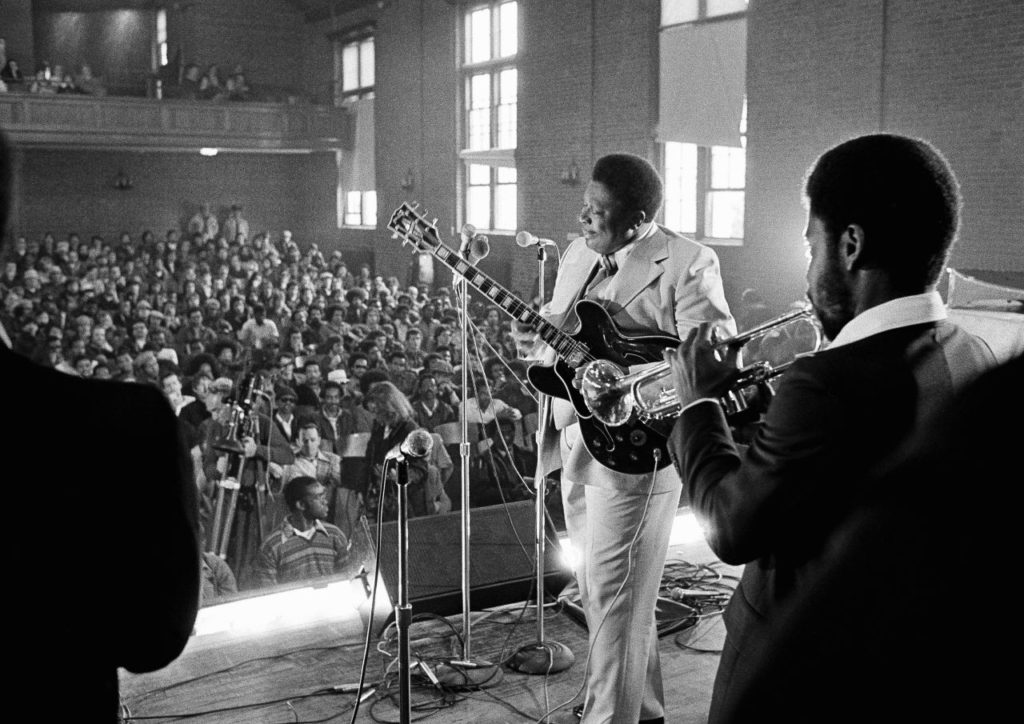
B.B. King played to a packed auditorium at the Massachusetts Correctional Institution in Norfolk, Mass. on April 3, 1978.

The Thrill is Gone
The Thrill is Gone
BB King is no more
we get to hear late
on Al-Jazeera News


(I take out my Royal Jam
The Crusaders playing
with BB King and the
Royal Philharmonic Orchestra
on LP record of course)

The Thrill is Gone
a favourite of old
of mine and a grey-headed
neighbour down the road

The Thrill is Gone
Eric Clapton and Ringo Starr
and imperialism’s head-honcho
are duly and dutifully quoted
(what an improbable trio)

The Thrill is Gone
electric blues guitarist
who influenced many
(even did the prison circuit)

(he taught himself the guitar
he too was influenced
by those before even
by an aunt who had
blues and jazz records)

The Thrill is Gone
son of tenant farmers
yonder Mississippi Delta
the home of the blues

The Thrill that is BB King
is gone though
the blues is all around

Friday night we get to hear of the passing of Yale University honorary Doctor of Music, one Riley King; co-chair (my 1981 album tells me) of the Foundation for the Advancement of Inmate Rehabilitation and Recreation (FAIRR). In 1971 – the year after he won a Grammy Award (his first) for The Thrill is Gone, his Live in Cook County Jail became his best-selling album, identifying him with the cause of prisoners’ rights. His 1996 autobiography is titled Blues All Around Me.
(Photo Credit: AP)

Domestic Violence in Urban India: A Middle-Class Story


While international attention to recent incidents of rape in India has generated urgent attention to the issue of sexual violence there, another type of gender violence has received less attention in these media representations: domestic violence. Domestic violence is a global epidemic–less spectacular but equally deadly, in India and around the world. According to BBC reports, every five minutes, 1 incident of domestic violence is reported in India—a fraction of how much actually occurs. How do we counter domestic violence? Who can and should help victims of domestic violence, who often suffer quietly for years before they are so battered that they muster the courage to leave (as the Hindi film star Rati Agnihotri recently did) or they die (as my cousin and namesake Kavita did)? What NGO or state institutional resources exist, in urban and rural areas? How effective are they? How do we change so many men’s and women’s attitudes and behavior, so that they stop the abuse, and so that they speak up when they see another man or woman being abusive?

The Bell Bajao (Ring the Bell) campaign began in India in 2008, broadcasting 30 second ads on TV depicting men stopping domestic violence in their neighborhood or apartment building: they went to the home where they could hear a woman being beaten and abused, rang the doorbell and asked for some milk, or water, or to borrow a phone. The idea was to let the abuser know they were heard, and to interrupt the violence. The ads have stopped running, but the violence goes on.

Nobody rang the bell for my cousin Kavita. Six years ago, Kavita was living with emotional and verbal abuse throughout her four-year marriage in Mumbai. She was cursed and starved by her mother-in-law, sister-in-law, and husband; he even hit on several occasions. They were not poor-they hid bars of gold in bank lockers-just abusive. She kept hoping that things would change, if her sister-in-law got married, or at least when her beautiful daughter was born. It just got worse. In March 2009, emaciated at 34 years, a frail 5’4” Kavita died under suspicious circumstances, of “kidney and respiratory failure” (with no history of the same). She weighed barely 90 lbs. The doctors did not ask her husband any questions. Everyone knows that many married Indian women die of poisoning by a tasteless colorless chemical often used as a farmer’s pesticide, which causes kidney failure; detection is almost impossible.

I write this today, six years after, so that we don’t forget Kavita and millions of women like her. It is everybody’s responsibility—the parents, the siblings, the neighbors, the friends, the community, each one of us—to speak up, to intervene, to help, and stop the violence when we see it, for women’s human right to live with dignity in a violence-free world. Because when I reached out for help to an NGO serving as a resource in Mumbai for domestic violence victims, I was told “We can’t do anything if the victim is dead. If she was alive, we could have helped her, we could give her a lawyer, we could place her in a shelter. Since victim has died, we cannot do anything.” And the two year-old daughter she left behind will always miss the beautiful, loving mother she never got to know.


(Photo Credit: Stree Shakti Woman Power)


The Philippines factory fire was a planned massacre of women workers

A new collection of specters haunts the earth today: 72 workers killed yesterday in a slipper factory fire in the Valenzuela district of Manila. There was no accident. That fire and those workers burning to death are part of the brutal architecture of industrial production. Every report covers up more than it reveals, and the workers, charred beyond recognition, wait for nothing now.

The fire “started” when sparks set off an explosion. The slaughter of the innocents began long before the spark. The windows were covered, sealed tight, by metal gratings. Even now, the local mayor isn’t sure the building had any fire escapes.

Dionesio Candido, whose daughter, granddaughter, sister-in-law and niece were among the missing, said iron grilles reinforced with fencing wire covered windows on the second floor that `could prevent even cats from escaping’.”

Those workers – daughters, granddaughters, sisters-in-law, nieces – were deemed less valuable than cats, and far less valuable than the chemicals, the machinery, and the slippers in the building.

None of this is new. The State can “investigate quickly”, if it likes, and the trade unions can protest “working conditions”, but the factories and sweatshops go up, the bars and grills cover the windows, and doors are locked from the outside, the flammable materials are next to the welding machines, and no one does anything … until the fire explodes.

From the Triangle Shirtwaist Factory in 1911 New York, to the Kader Toy Factory in 1993 Bangkok, to the Zhili Handicraft Factory in 1993 Shenzen, to the Tazreen Fashions Factory in 2012 Dhaka, and now to the Kentex Manufacturing Corporation in 2015 Manila, the architecture is the same, as are the smoke, stench, exploitation, workers and bosses. The factory wasn’t a factory; it was a slaughterhouse. When the flames burst and the women workers’ bodies exploded, there was no accident. There was an indiscriminate and brutal slaughter of people, a massacre, and it was always part of the plan.


(Photo Credit: Reuters / Ezra Acayan)

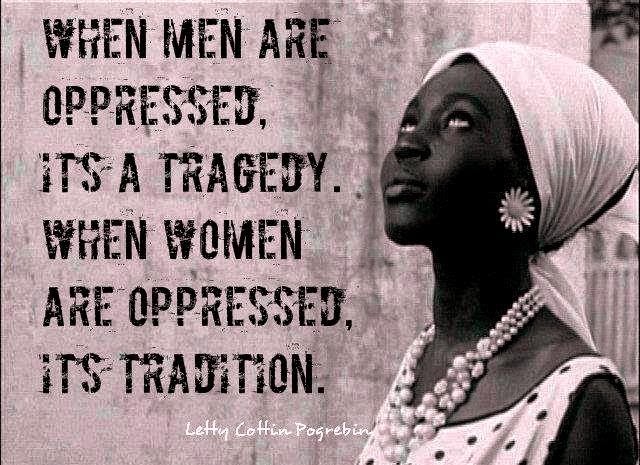
Productively and Respectably Drowning: Black Women’s Fight for Collective Freedom

We are all drowning. We are all drowning while upholding a repressive system that can never provide freedom and justice for all women, a system in which a cycle of violence, suffering, and mass incarceration seems inevitable. We are Black women, arguably the most dehumanized and undervalued identity group. To be Black and also a woman places one in a position of endless performance and scrutiny. It’s tiring and so many cannot meet the standards that are set. Even when some of these benchmarks are met, expectations shift. We’re hunted and no matter what steps we take we are failures. So whom should we blame? Is it the lazy women who simply don’t have the capabilities to succeed, or the system that views them as unworthy, dehumanizes them, and resorts to violence to rid them of any thought of freedom?

The entire system is guilty. Capitalism is committed to the racism and sexism that demeans and imprisons Black women. Despite its violence, the system finds the most creative ways to justify its contradictions and injustices. Imagining a world where everyone recognizes this and strives to make amends is a real challenge. At this moment I feel deeply that there are generations of Black women who have never envisioned freedom. I know deeply that we have invested in a system that continues to fail us.

Since Trayvon Martin was murdered, there has been a slow awakening, or revitalization, of a younger generation that forgot the history of racial oppression that has always existed in this country. Their eyes opened, articles were shared, collective actions were planned, coalitions called for justice. But who is deserving of this justice? The #BlackLivesMatter movement was created by Black women and has progressed due to the efforts and outright fear and anger of Black women around the world. Yet, these women, Black women, are continuously erased from the narrative of state brutality. People of color become synonymous with men of color and the strength of the collective is weakened.

There can only be surface level reform if civil rights activists and everyday citizens feel compelled to protest and cry when Black men like Eric Gardner are brutally murdered by the state, but remain silent as women like Rekia Boyd and Natasha McKenna are tossed away. Why is it easier to mourn the loss of Black men than Black women? Are we convinced that when a woman experiences violence she brought it on herself or have Black women been so dehumanized that they are considered undeserving of justice, of freedom?

Last week, I attended an event in DuPont Circle, Washington, DC, entitled “Vigil for Rekia Boyd, Black Women, Trans Women, and Girls,” and then later in the evening attended a Justice for Freddie Gray march. The vigil in DuPont was amazing because it highlighted the plight of incarcerated and marginalized Black women within the civil rights narrative. There exists a narrative that asks Black women to choose their Blackness and align with Black men on every issue or choose their womanhood and go against Black men. That narrative is beyond trite. Black women are always both: Black and woman. Those identities cannot be separated and does not excuse a submission to patriarchal tendencies of Black male leaders. Together, in a space with women of color, everyone flourished. Voices that had been squashed spoke their truths and the need for continual spaces of mutual understand was highlighted.

So, we fight. Once we collect one golden moment and can begin to picture what collective freedom involves, we want more. The fight is not easy. Black women are hunted, disregarded, and divided. Does a single mother working a minimum wage job have the same time to envision freedom as a full-time student whose only real job is to consume knowledge? These are extremes but they must be considered when we speak about the collective and teaching empowerment. Some people live in fear that they have more to lose than others.

It’s all so heavy. What a burden, to be targeted, devalued, yet expected to perform to standards that are always shifting. So we drown, we come up for air momentarily, and then we sink again. Collective freedom will not come instantaneously. It’s a process that will take generations and generations but the goal is to break away from chains that have held us down for centuries. We deserve more than survival. We deserve freedom from capitalism, a system that divides us and perpetuates racism, sexism, and patriarchy. Regardless of status or educational level, Black women have been expelled from the dominant political economy and we must find new spaces of hope. We have been controlled by a violent empire and denied tenderness and understanding.

If more spaces for Black women open up in the #BlackLivesMatter movement, Black women may be able to create their own space and discover tenderness as freedom. Tenderness as currency. Tenderness as motivation to collaborate. Tenderness to bring about change. Tenderness that is hard and critical; tenderness that allows all us to inhale and find comfort in each other.


(Image Credit: Black Left Unity Blog blunblog.org)

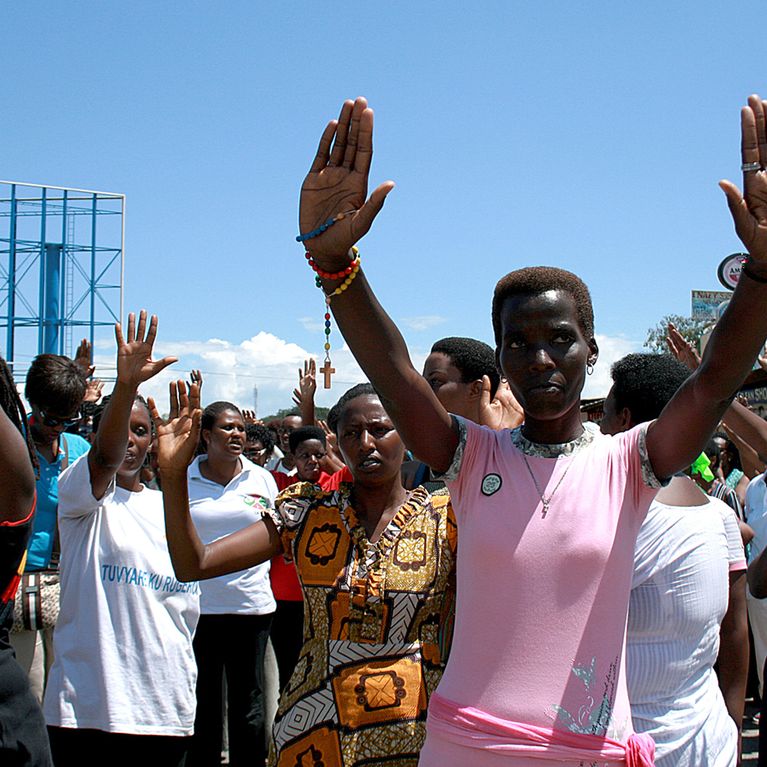
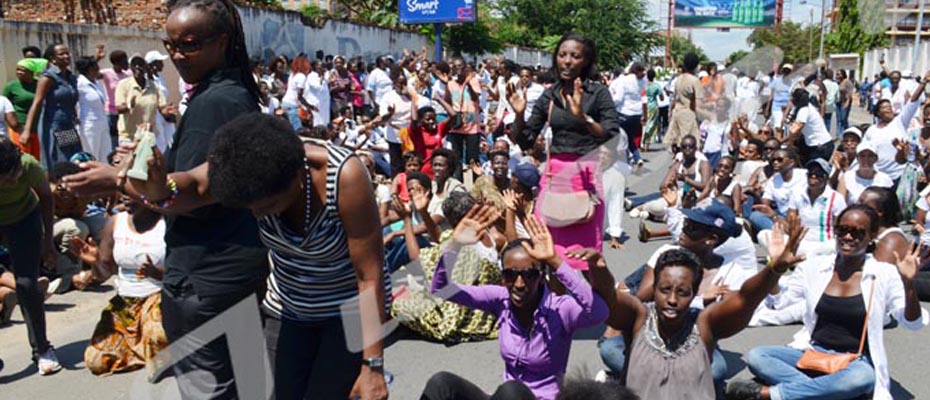
In Burundi, the women demand peace, unity, democracy!

On Sunday, women brought the struggle for democracy to the capital’s city Center. This was the first major protest in Bujumbura, and the women were protesting much more than President Pierre Nkurunziza’s move to take a third term. They were demanding peace, unity, democracy, and recognition of their own power. Already many have likened this demonstration to the Burkinabé women’s spatula uprising last year, which helped overturn the government.

While the causes for the “current unrest in Burundi” are many, and familiar, the women brought something new to the national, and hopefully global, table. In their demands for recognition, they argued for the State’s responsibility to care about its resident, not just to take care of but to actively care for and about. Nkurunziza knew that his move to a third term, in violation of the Constitution and much more, would result in protests and then State repression, and he didn’t care. In Burundi the women see that as a failure of the State.

On Sunday, the women chanted, “We are the mothers. It is our children who are killed. It is our children who are in prison. We are here in the name of respect for human rights. We are here to oppose the third term.”

The third term comes after the recognition, after the mothers and children and deaths and imprisonment.

Beatrice Naymoya, one of the protest organizers, explained, “It’s not good for our country. You know the women and the children are the first to suffer. We’re asking the government and the international community to help us keep these two instruments intact: the constitution and the Arusha Agreement. Women decided to stand up today to say no to the violation of the constitution.”

Another spokeswoman, Elisabeth-Marie, added, “We are here today to support our brothers who are protesting the violations of our country’s fundamental laws.” As ever, the women take to the streets for themselves and in solidarity with all those who struggle for peace, unity, and democracy. That’s intersectionality in practice and in motion.

Ketin Vyabandiyaya elaborated, “We are tired. We want peace. We want respect for our nation and its laws. Our Constitution is sacred, as is the Arusha Peace Accord. They brought us peace after a decade of civil war in which we lost our sons and daughters. We never want that to happen again.”

Ketty Nivyabandi, Burundian poet, declared, “We came here to express our distress. We, the women, we are made helpless in this country because women are always the first victims of conflict. We are always the first to be affected by the situation, and we are tired. We want respect from our nation, we want freedom of expression for all Burundians.”

Despite the well-founded fear of brutal and even lethal repression, the women continue to organize. Having brought the first major demonstration to the nation’s capital, they are organizing another for next Sunday. Despite the fatigue and the fear, the women of Burundi are on the move, demanding peace, unity, democracy, recognition in a world where individuals and the State care.

(Photo Credit 1: aufeminin.com)  (Photo Credit 2: Getty; http://www.iwacu-burundi.org)

Women Writers Speak and Write Despite Calls for their Death or Exile

Last month, Sabeen Mahmud was shot dead in Karachi after she gave a talk for the second part of a conference on Human Rights in Balochistan that she had organized at her T2F, a bookstore and café. Sharmila Seyyid is living in a safehouse in South India, far away from her home in Sri Lanka, hounded by fundamentalist mullahs in both countries for some of her innocuous statements in a BBC interview. These are women who are speaking openly about the rights of people around them so that men and women might treat each other with respect and dignity. Both created safe places where the imagination could reign freely without fear. Sabeen created T2F (The Second Floor) as “an inclusive space where different kinds of people can be comfortable,” a place where arts, culture and dialogue could live freely.

In the last two decades the South Asian women writers who have received vituperative harassment have included Arundhati Roy, Kutti Revathi, Bama, Sukirtharani, and others we know little about. An Indian woman writer and journalist, married to an Afghan citizen was murdered a couple of years back. Despite threats, many women writers have bravely persisted. Kutti Revathi received hate mail, but has continued to write poetry. Bama and Sukirtharani in Tamil Nadu have persisted despite protests about their feminism. Women before them have been exiled for their seemingly rational views on religion and women’s right to be free of violence: Taslima Nasrin still remains exiled from Bangladesh and lives in Germany.

We continue to hear of women’s writing that is questioned, hated, banned, and sometimes, the authors harassed and exiled.

Why do fundamentalists fear women’s writing? Why is there increasing violence against women writers? What are they speaking about that so threatens religious fundamentalists? Fundamentalists believe in the need to keep society’s patriarchal structure intact, and so women are kept in their place within expected traditional roles, without rights to their minds or bodies. If they thought or spoke independently, it would disrupt the status quo and bring uncertainty to the roles of men and women in society and disrupt men’s dominant place in all branches of society—politics, law, religion, and family. Sabeen and her organization T2F supported the cause of an independent Balochistan. She invited Mama Qadeer, the separatist activist, and other panelists for her last series of two conferences entitled “ Unsilencing Balochistan.”

The Pakistani secret services have been accused of being responsible for the disappearance and execution of many activists in Balochistan who were working on restoring justice. Sabeen Mahmud was one of the rare women who had the courage to stand up against this injustice.

Sharmila questioned the system of purdah and freely wrote about rights of sex workers. Kutti Revathi writes uninhibitedly about woman’s bodies. Nasrin is openly atheist and argues for women’s freedom from male oppression within Islam. Bama questions caste and male oppression. Roy argues openly for Adivasi people’s right to live without being murdered by the Indian government. Soni Sori, an Adivasi teacher and organizer, has been tortured under police custody. Why? Because she advocates for minimum wages and for Adivasi women’s rights. Why do the police want her in jail? “[Because] she has taken on powerful companies that want the Adivasis’ land, and the Chhattisgarh government that supports these companies. She has taken on the police for their illegal activities”.

Fundamentalists deliberately refuse to acknowledge the tradition of female outspokenness that is part of literary, artistic, and faith traditions. If they are not literate or educated in history and the arts, perhaps their ignorance plays a role in this blind acceptance of a conventional gender division. Worse yet, government support of neoliberal agendas makes officials the henchmen of corporations, colluding with fundamentalist ideology. Sabeen Mahmud was assassinated at the time China put $46 billion on the table to sign a strategic agreement with Pakistan, creating an energy corridor through Balochistan to the Arabian Sea at the deepwater Port Gwadar, Pakistan.

Neoliberalism and fundamentalism see women’s silence as important to the sovereignty of corporations and organized/structural religion. The woman who talks, questions, imagines, writes, wonders is a nightmare for fundamentalism and neoliberalism. So the only thing that can be done to stop this thinking humanistic female machine is to kill or exile her. But as we see in so many examples around us, women writers, artists, filmmakers continue to do what they think they have to do, because there is no other way they know how to live meaningfully. Death threats cannot stop them from saying what they need to say. They must be heard and read beyond borders!


(Photo Credits: tribune.com.pk)

My forefathers died for this land. If I’m going to die, I’ll not be the first one!


Nonhle Mbuthuma

There’s an uprising, once again, in Pondoland, on the eastern coast of South Africa, and, as before, it concerns the violence brought on local populations by the State and its international partners, all in the name of `development’ and national improvement. This time the “resistance is distinguished by the prominence of women.”

Nonhle Mbuthuma has grown up in the struggle for a decent and better life, and for a State where one can’t say, “There’s too much `democracy’ in this democracy.” Her story goes back a ways.

From 1960 to 1962, the `peasants’ of Pondoland waged a mighty revolt against the Bantu Authorities Act and, more generally, against the ravages of apartheid on rural populations. Almost immediately after the Mpondo Revolt, Govan Mbeki researched, wrote and published South Africa: The Peasants’ Revolt, which showed the centrality of peasant and rural struggles to the national aspirations for emancipation and justice. Mbeki ended the chapter “Resistance and Rebellion” prophetically: “The Pondos paid dearly for their failure to ensure the safety and security of their forces at the height of the struggle. And in this they were not alone. Zululand and Zeerust suffered similarly, although on a smaller scale. But the people do not bear sufferings, such as they bore when the army occupied the Transkei, without becoming steeled in their determination to regroup, re-examine their methods of struggle, develop new ones, and retain the spirit that seeks forever for freedom.”

That was 1964. Forty years later, in 2004, mining companies began applying for permission to mine in the Mgungundlovu area of Amadiba Tribal Adminstrative Area in Pondoland. The area, also known as Xolobeni, boasts the second highest diversity of flora in South Africa, one of 26 places on earth with such a rich concentration of species. It’s commonly described as gorgeous, pristine and heavenly.

Local residents have been involved in developing eco-tourist sites, but the prospect of mining threatens everything. At first, people thought the mines could bring jobs and services, but discussions with other communities and the behavior of mining corporations soon disabused many of that notion. And so, in 2007, residents formed the Amadiba Crisis Committee.

The State claims the mines are good for business, even though this particular mine will only be open for 25 years, and then the agricultural and environmental economies will just have to work it out … again. Good for whose business?

The Committee argues for the environment, due process, Constitutional rights, respect for the graves of the elders, sustainable economic development. From the Committee’s inception to today, Nonhle Mbuthuma has been a leader. Throughout, Mbuthuma has taught that the Constitution protects everyone, and especially rural people because of their histories of struggle.

In 2009, Nonhle Mbuthuma made clear that an assault on the land is an assault on the people’s history: “Asilufuni Uphuhliso lwenu! [We don’t want your development!] […] If this mining takes place and the government issues a licence in this area, there will be war. There will be an uprising as it was in the [last] Mpondo Revolt.”

And this is today: “My forefathers died for this land. If I’m going to die, I’ll not be the first one.”

The Pondo Uprising continues to cast more than a long shadow across South Africa and beyond. It lives, inspired and informed by young women, like Nonhle Mbuthuma, who carry it forward and retain the spirit that seeks forever freedom.

(Photo Credit: Daily Maverick / Lucas Ledwaba / Mukurukuru Media) (Video Credit: Ryley Grunenwald / Vimeo)

No Black children allowed!


Schools are segregated. So groups of kids who gather together after school are often homogenous. In the sliver of Washington, DC where I live, this means groups of high schoolers and middle schoolers are Black, while the kids on toddler playgrounds are white.

Corner stores have dealt with this gentrification in the typical ways: They have begun to stock kombucha, organic almond milk, and craft beer. They have taken the bullet-proof partitions down. And they have banned anyone under the age of 18 from coming into their stores after 3PM without their parents.

3PM means after school. And kids who are not with their parents are those who are old enough to be out on their own. Combine this with the racial dynamics of the neighborhood and you’ve got a community full of Black kids who are not welcome in neighborhood stores.

This is not the case in all neighborhoods. It is the case in mine.

Last night we sent my 10-year-old daughter and her friend to the corner store to pick up some cooking oil so we could get dinner ready. She carried a reusable shopping bag and a $20 bill, and walked three blocks to the store where we have shopped since she was a baby. When they got there, the shop owner turned them away, citing the 3PM policy.

We paused when they came home empty-handed. My daughter is biracial and her friend is Black, and this is one of the many times when a parent has to wonder how much that matters. So we called a white friend and asked her to send her son to the same store. He went in by himself, and came out with gummy bears.

My partner and I separately had long conversations with the store owners after this. It felt like a bunch of busy words filled up the air while we spoke. This couldn’t possibly have happened, they said. Or the kids must have gotten mixed up and gone to a different store by mistake. Or they must have done something wrong while they were in the store.

These are small businesspeople. I know they work long hours and they have been friendly to us in the past. They probably have families of their own to protect. But they turned away 10-year-old kids trying to buy cooking oil. I have no idea what is in their hearts and minds, nor do I care. What I have is evidence that the 3PM policy has turned into a cognitive finger-snap for them. They see Black kids in the store [snap!], they send them away. They see a white kid, they allow him to spend his money.

To help register the impact that we and our neighbors hope to make by not shopping at this store anymore, the kids have made stamped postcards with the market’s address on them. They say, “Because you turn Black kids away, we have chosen to spend our money at a different store today. We spent $______.” Let’s hope their mailbox fills up, and their cash register empties out.


(Image Credit: Patrick Smith / Getty Images / Washington Post)

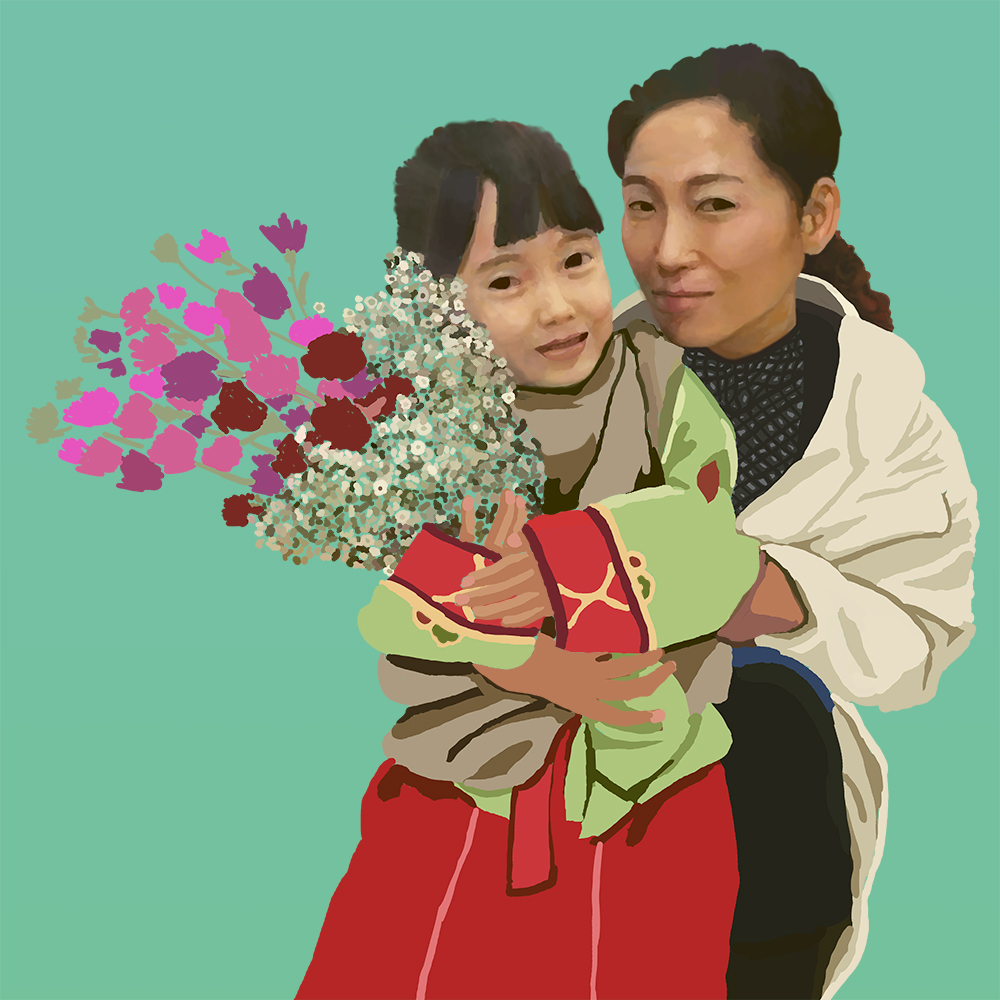
Nan-Hui Jo, guilty of dignity and survival

#StandWithNanHui

Nan-Hui Jo is a single mother, Korean immigrant to the United States, survivor of domestic violence, and prisoner. She stands, and struggles, at the intersection of State violence against immigrant women, women of color, and domestic violence survivors. While her story of being subjected to at least three forms of State violence is in many ways tragic, Nan-Hui Jo does not embody a failure of the State. The State wants Nan-Hui Jo suffering in prison and that’s what’s happening.

Nan-Hui Jo’s story is complicated, because of the innumerable details and turns, and yet simple, because of its familiarity. As a survivor of domestic violence, her story joins with those of Marissa Alexander, Tondalo Hall, and so many other women of color survivors who have been sent to prison for the crime of survival. As an immigrant woman, she joins Kenia Galeano and the mothers in Karnes Immigration Detention Center, in Texas, who are struggling to end State violence against immigrant women. In both categories, the women’s crime is having asserted their dignity.

Very briefly, Nan-Hui Jo came to the United States as a student, met a guy, fell in love, returned to Korea to get a fiancé visa, returned, married. Her husband abused her, and so Nan-Hui Jo filed for separation, moved across the country to California, returned to school, met a guy. Soon after, Nan-Hui Jo became pregnant, the guy pushed for an abortion, she resisted, they broke up, they re-united, they broke up again. Two months later, Nan-Hui Jo gave birth to Vitz Da, a beautiful baby girl. The father re-entered the picture a few months after Vitz Da’s birth, seemed to love the child, and the two adults re-united. The father exhibited unpredictably violent behavior, striking at Nan-Hui Jo at least once and threatening constantly. In July 2009, the two separated.

Here’s where it gets `complicated.’ Because Nan-Hui Jo had separated from her husband, she lost his sponsorship, and so ICE denied her application for a green card. Because no one told Nan-Hui Jo that she had rights as an immigrant survivor of domestic violence, she agreed to return to South Korea, which she did with her daughter. Five years later, in July 2014, Nan-Hui Jo and Vitz Da returned to the United States. Jo was arrested for child abduction. Her daughter was taken away. Despite his violent history, the father was given full custody of the child. Mother and daughter have not seen each other since.

Nan-Hui Jo’s trial ended in a hung jury. She stayed in jail, awaiting a second trial, where she was found guilty. In April, Nan-Hui Jo was sentenced to 175 days time served and three years probation. Immediately, Nan-Hui Jo was turned over to immigration authorities, who decided to place her in prison. She could have remained in the community until her hearing. Instead, she sits in jail.

Many organizations, such as the Korean American Coalition to End Domestic Abuse, have campaigned for not only Nan-Hui Jo’s release but for her exoneration and freedom. 170 Asian American organizations sent an open letter to the Secretary of Homeland Security. They note, “Ms. Jo’s case highlights the vulnerable and marginalized situations that undocumented people and survivors of domestic violence face … As a coalition of organizations dedicated to protecting and advancing immigrants’ rights and providing support to survivors of domestic violence, we especially are concerned about Ms. Jo’s case, given her status as an immigrant, domestic violence survivor, and mother. We ask that the Department of Homeland Security drop the immigration hold request against Ms. Jo and release her from detention.”

Silence.

Who benefits from separating this woman from her daughter? Who benefits from her sitting in jail? In a related context, Silvia Federici provides a clue, “The struggle of immigrant domestic workers fighting for the institutional recognition of `carework’ is strategically very important, for the devaluation of reproductive work has been one of the pillars of capital accumulation and the capitalistic exploitation of women’s labor.”

When Nan-Hui Jo arrived in the United States, survival became her carework, and the State has extracted value from that since day one. The State passes laws that `protect’ women, and then the same State refuses to implement those laws when women need them to survive and to live. That is no failure; that is the program. This is the lesson those organizing the Stand With Nan-Hui Campaign are learning and teaching others. State violence against domestic violence survivors is wrapped in State violence against immigrant women is wrapped again in State violence against women. And the result? Women – survivors, immigrants, women of color, prisoners – have to work ten times as hard to survive and assert their dignity.

For the rest of her life, Nan-Hui Jo will have to struggle and labor furiously to have any contact with her daughter. This is the price women, and their daughters, pay for the crime of asserting the dignity of women.


(Image Credit: Korean American Coalition to End Domestic Abuse)

Every day is Workers’ Day … or not

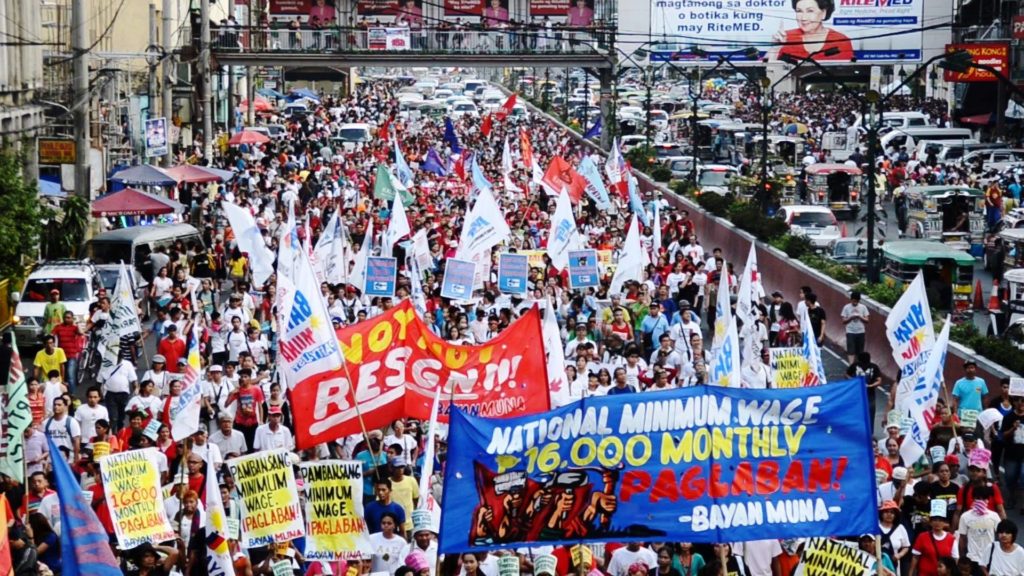
Last Friday, May 1, workers around the world protested, demonstrated, marched, locked arms, sang, and celebrated workers’ power. In many places, the manifestations continue. In many places, from Baltimore to Toronto to Tel Aviv to Durban to Melbourne, workers challenged the exploitative commerce the intersection of race, ethne, gender, age and class: Black Lives Matter! In Bujumbura, Burundi, workers protested President Pierre Nkurunziza’s attempt to seek a third term in office, a violation of both the Constitution and the peace accords. They marched to honor the labor of democracy and a just peace, as did workers in Turkey, who were attacked by the police. The list goes on, including France, Greece, Germany, Italy, Ukraine, Russia, Iran, India, Bangladesh, South Korea, Indonesia, Malaysia, Japan, Cambodia, Philippines, Taiwan, Singapore, Colombia, Guatemala, Panama, Peru, Venezuela, Brazil, and Cuba.

But who is a worker, and who is not? Who labors and is not included in the category of worker? Women. In particular women, and children, engaged in unwaged labor, and this sector is on the rise globally. Intimately linked to this group are the unemployed. Who is a worker and is not included in the “workers’ movement.”

On January 14, 1998, several hundred unemployed worker activists and their supporters entered into the “hallowed halls” of the Ecole Normale Supérieure in Paris, and started a five-day occupation, which captured the imagination of much of the world. The unemployed workers had had enough. Assez! In fact they were members of an organization called Agir ensemble contre le chômage! Acting together against unemployment! They were known as AC! which is a homonym for Assez! Enough!

The occupation involved middle-aged unemployed and precarious workers, young anarchists, and others. It also involved hundreds of riot police, who promptly occupied the surrounding streets and then neighborhoods.

At the time, along with AC!, there was the National Movement of Temporary and Unemployed Workers, founded by Jacqueline Maman and focusing on women workers, especially in neighborhoods where North African workers lived. When Maman found that she didn’t qualify for unemployment benefits, despite having paid into the benefits system, she went to work: ”The unions and the employers administer the unemployment insurance and pension system, but people who are permanently out of work have no voice in how the money is spent. The unemployed should sit on those boards. But the union leaders don’t even want to know about the likes of us.”

The likes of us.

When sociologist and leading public intellectual Pierre Bourdieu went to speak to the chomeurs, he praised the activists for their extraordinary work. He noted the importance of the movement’s very existence: “The first conquest of the movement is the movement itself, its very existence: it pulls the unemployed and with them all insecure workers, whose number increases daily, out of invisibility, isolation, silence, in short, out of non-existence.”

The lesson of the chomeurs, then as now, is the importance of solidarity in the context of movement building: “Unemployment and the unemployed haunt work and the worker. Short-term, part-time and temporary workers of every category … all live in fear of unemployment … The mobilization of those whose existence is undoubtedly the main factor in a loss of militancy is the most extraordinary encouragement to mobilization, to the rejection of political fatalism … The unemployed are reminding all workers that their interests are bound up with those of the unemployed; that the unemployed whose existence weighs heavily on them and on their working conditions are the product of a policy; that a mobilization capable of overcoming the frontiers that exist … between workers and non-workers and the frontiers between all the workers and non-workers of one country and the workers and non-workers of every other country could counter the policy which can mean that the non-workers can force silence and resignation on those who have the dubious `privilege’ of a more or less precarious employment.”

Workers and non-workers of the world unite! We have nothing to lose but our fear and the bosses’ violence. Workers and non-workers are linked in an embrace so fierce that they become one. From Haymarket Square to the Ecole Normale to the squares and plazas all over the world today … the State brings riot police, the workers bring themselves. Amandla! A luta continua!

(Image Credit: Buhay Manggagawa / Global Voices)