Child labor never ended in America. It just waited for the right moment to strike back

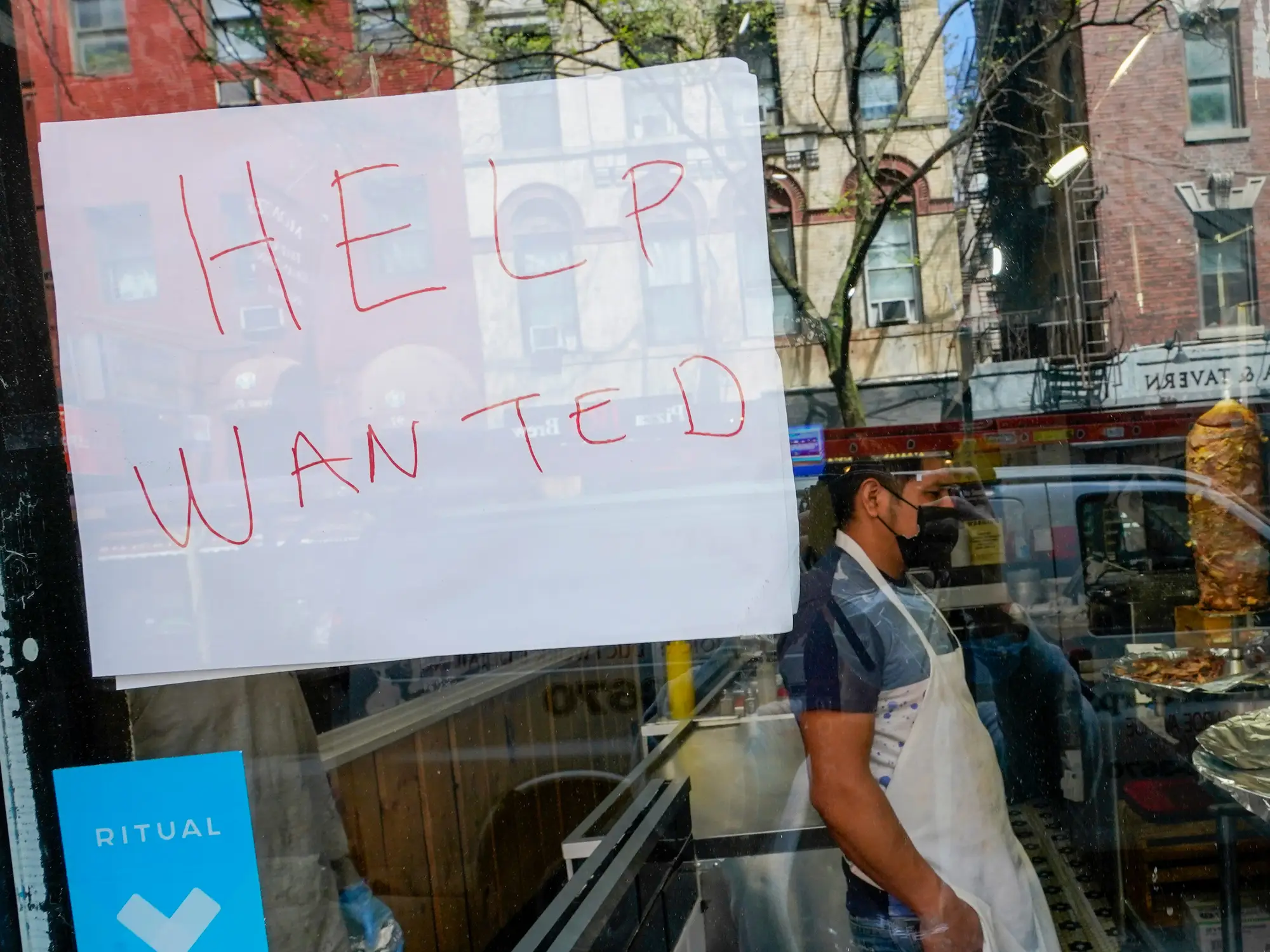
The massive labor shortage has been something that’s eclipsed the national spotlight for the past six months. As COVID restrictions end, and people are leaving their homes more, shops have been desperate to employ people needed to meet demand.

Unfortunately, they aren’t doing much in the way of incentives to get people to work, or to handle the abuse customers will inevitably heap on them. During one of my classes discussing poverty in the United States, some of my students-mainly women who worked as servers-detailed uncounted levels of abuse, sexual harassment, and terrible management that they had had to contend with every shift.

During my own time as a grocery store worker, the entitlement from vacation goers, believing that I was constantly at the store 24/7 to service their needs was unbearable. And I, a 29-year-old, couldn’t handle it. So, I had to leave-I acknowledge that I was privileged to do so. Now I gleefully sing when I see Boomers complain because they must wait an extra ten minutes to check out since there aren’t enough cashiers. I know workers aren’t putting up with the “customer is always right” mentality that has rotted the minds of so many consumers in the US, and it puts a smile on my face.

Now, amidst a labor shortage that has both Democrats and Republicans-at least, those who care about the economy and not the millions of workers working for poverty wages-wringing their hands because with a labor shortage comes rich people not able to exploit more workers to make more money. It seems cutting people off from lifesaving unemployment benefits hasn’t been successful in incentivizing people to take on those exploitative jobs, huh?

The solution? Bring back child labor in the US!

Now, to be clear, child labor is still practiced inside and outside of the United States-and practiced outside of the country mostly because of the United States. The cocoa we eat in our chocolate bars is harvested from child labor. Children work within the garment industry to mass produce our cheap clothing. The farms we have our food grow on in America is cultivated by children. I can literally google child labor and x industry and more than likely, outsourced corporations will be gleefully using young children as workers to meet profit margins.

It would very well make great-and really horrible-sense to start easing up on federal child labor laws to create more workers to keep more businesses afloat. The fast-food chain McDonald’s in Oregon has been advertising their jobs to 14- & 15-year-olds to work at the restaurant, to plug up their shortage. And Wisconsin, despite the fact that their messaging is comedically villainous, has approved a standard allowing under-16 year old workers to work shifts past 9 pm, which is banned under federal guideline standards, and actively allowing later shifts on school nights so that “small businesses” can stay open to offset any lost revenue. Which means that employers can gently encourage(threaten) students to stay later, on school nights; I’m sure that that wouldn’t interfere with their classwork or grades, at all.

Child labor was never ended from the benevolence of politicians or robber barons. Workers fought for the right to keep their children home, and facing uprising, those in power folded. Now, in the face of providing living wages, better benefits, and allowing workers to organize, those same politicians and elites would rather exploit children in abusive jobs making poverty wages. And it will be the poorest youths who, desperate to help their families, will be burdened by the need to work. And they’ll be harmed by the system.

Maybe, if your business relies on exploitation to stay afloat, it shouldn’t be open. Maybe, if your profit and revenue is contingent on child labor, it should be burned to the ground along with the system that allowed you to profit for so long. Maybe children should not be burdened by a system of poverty and workers should be making a living wage, with health insurance and every benefit that their labor produces. If that’s not going to happen, the labor shortage should kill off every industry it touches. And I can’t wait for the day that happens.

(By Nichole Smith)

(Photo Credit: Business Insider / AP / Mary Altaffer)
England invented a new hell for women prisoners: gate sectioning


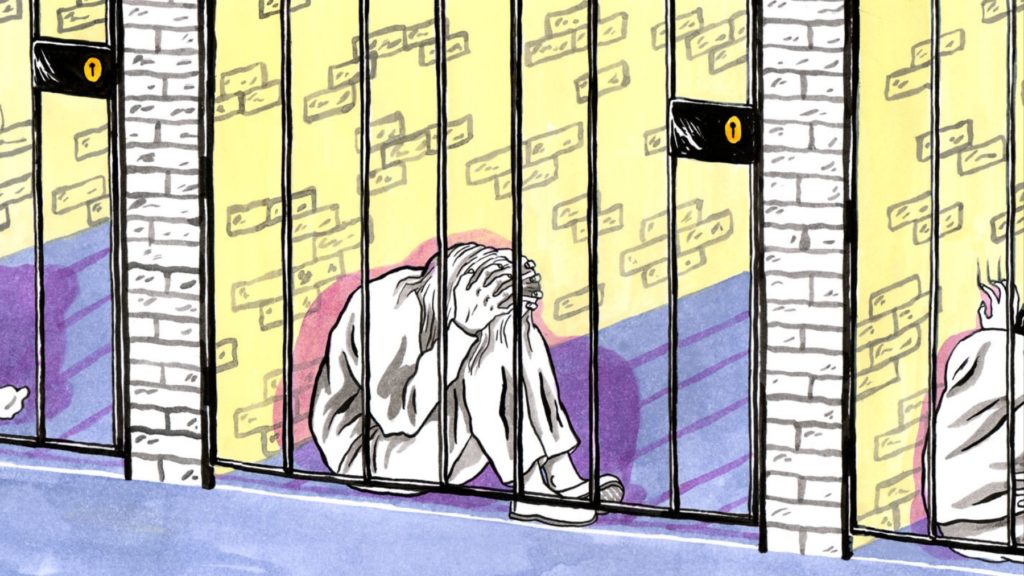
On Tuesday, October 19, 2021, the Justice Committee of the United Kingdom’s Parliament took “evidence on safety and wellbeing of women in prison” … or the absolute, radical and contrived absence thereof. Among the witnesses were Sandra Fieldhouse, Inspector, Leader of the Women’s Inspection Team, Her Majesty’s Inspectorate of Prisons; and  Juliet Lyon, Chair of the Independent Advisory Panel on Deaths in Custody. Juliet Lyon introduced the “Justice” Committee to the practice of gate sectioning: “The other thing that has arisen that I want to put down a marker about, which I think is mostly anecdotal, although I am sure it is happening, is what is called people being held at the gate, and then put under the Mental Health Act—and then the gate sectioning, which is the way it is referred to. There have been a number of incidents, particularly in relation to women, where they thought they were leaving—they were literally at the gate—and they have to be through that gate before it can happen: they are sectioned, taken away and put in secure care. That simply cannot be right. It is a very cruel thing to do, and it indicates that prison has been allowed to hold on to someone whose behaviour and health have been very poor, and they have been very damaged by it. Gate sectioning is occurring more readily …. It has got to be stopped. It is just not the right way to proceed at all.”

It has got to be stopped. It also has to be asked why it happens at all. Prison officials claim that the main reason is that there aren’t enough spaces in mental health facilities … and so they wait until the last moment, actually the moment after the last moment? To be clear, and one must visualize this, women who have been in poor health, often before prison and more often than not intensified by their stay in prison, even brief stays, are told, “Today, your term is up. You are free to leave.” They pack their belongings, say goodbye to their sisters inside, and head for the exit. Once they have taken a step beyond the exit, they are taken off. This is not about lack of resources. Somehow, magically, when women are released from prison, the beds appear. This is about cruelty, pure and simple.

It isn’t as if leaving prison, going through the gates, is easy for women. As Carolyn Harris, MP for Swansea East, noted earlier this year, “Over half of all women leaving prison have nowhere safe to go. They walk through the gate with three things: the paltry £46 prison discharge grant, a plastic bag full of belongings, and the threat of recall if they miss their probation appointment. For some, the simple fact that they have been in prison a long way from home means that they have no local connections when they are released. For others, who are victims of abuse, returning to their homes, and consequently the perpetrators, comes at a huge personal risk.”

In 2015, the English government established the Through the Gate program, which was supposed to address the issue of people moving back into the community. At that point, the services were poor to nonexistent. In 2017, an evaluation was published that found that people leaving after longer sentences were not prepared for release. In 2016, an evaluation found that people leaving after shorter sentences were not prepared for release. Both evaluations acknowledged the greater incidence of mental health issues among incarcerated women, especially PTSD. That was five years ago, and today … women are snatched at the gates and `sectioned’ off. Meanwhile, a report to Parliament on mental health in prison, submitted September 21, 2021, found “71% of women and 47% of men surveyed by inspectors in prison self-reported having mental health problems.”

Two years ago, the Governor of Low Newton prison is reported to have said, “We wouldn’t ask someone with a broken leg to hobble around waiting until release for treatment”. We wouldn’t,  but we do. In which circle of hell does gate sectioning appear?


(By Dan Moshenberg)

(Image Credit: Grace Wilson / Vice)

In England, austerity killed close to 60,000 additional people in four years as it targeted women

The current government of England and Wales has announced its intention to implement yet another austerity program. Last week, a research report came out that documented that England’s four year experiment with austerity, 2010 to 2014, resulted in an additional 57,550 deaths. The report opens: “The rate of improvement in life expectancy in England and Wales has slowed markedly since 2010. This decline has been most marked for women aged over 85 years and these people tend to be the most physically frail and/or disadvantaged.” Women. Later in the week, a second research study was published that documented that in the poorest urban areas of England, life expectancy since 2010 had dropped, while it had improved in the wealthier areas. After a granular reading of the data from almost 7000 middle-layer super output areas, MSOAs, or postal code areas, the researchers conclude, “The decline … began around 2010 in women in some MSOAs, has spread and accelerated since 2014 …. The decline in life expectancy was more widespread in women than in men.”

In 2008, the Secretary of State for Health asked Michael Marmot to chair an independent review to address health inequities in the United Kingdom. The Marmot Review was published February 2010. Last year, Michael Marmot released a ten-year review, which opens: “Among women, particularly, life expectancy declined in the more deprived areas of the country.”

For ten years, and more, it has been evidence-based public knowledge that austerity kills the poor, workers, people of color, immigrants, those living with disabilities, women. Study after study has demonstrated the impact of cutting social and public services on entire communities. Writ small, austerity is genocide, because its purpose is to wipe out entire local communities. Writ large, austerity is femicide, because, as a policy, austerity always reduces women’s life span and life expectancy as it increases the number of women’s deaths. To hell with austerity!

(By Dan Moshenberg)

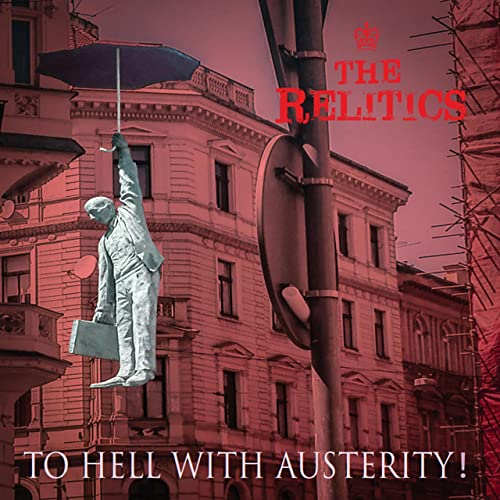
(Image Credit: Artscamp / The Relitics)

I write the story of Mariana Ferrer with a broken heart and shaky hands

Trigger warning: graphic descriptions of rape

Mari Ferrer was once known as the Brazilian Kylie Jenner. A lifestyle and beauty influencer from Southern Brazil, she had landed a gig in a beach club in Florianópolis in late 2018—as a “social ambassador,” her job was to post about the club, the food, music, and attend parties with her guests. Not long after she was hired, Mari was drugged, taken to a secluded location, and raped by André Camargo de Aranha, one of the bar’s associates.

The case first gained attention when the story was shared on a Twitter thread in Portuguese in January of 2019 (read the thread in English here). It includes heartbreaking footage from the night of the rape, including text messages Mariana sends to friends she was with, begging for them to come pick her up. Their responses are nonchalant: “our dinner just got here,” “we’ll talk tomorrow.” She also calls her mother, sobbing, asking for her father, and saying, “nobody is really your friend.” According to the thread, after getting home, clearly out of it, her mother takes her to the hospital, where the infamous ‘rape kit’ is collected. She is injured and bleeding, and the rapist’s semen is found in her underwear.

Armed with evidence, Mariana goes to court, not once, but twice. The first time, her rapist is considered innocent because “there was no intent to rape.” Video footage from the Zoom trial goes viral, and in it, the defense lawyer, Cláudio Gastão, is seen verbally harassing the victim: “don’t come at me with these crocodile tears,” thank God I don’t have a daughter like you, and I ask God that my son doesn’t find a woman like you.” Among the evidence used by the defense are sensual pictures of Mariana, some edited to make her look more ‘vulgar.’

The trial footage garnered attention from the entire country, from celebrities to Brazilian former president Fernando Collor. A petition asking Gastão to be held accountable gathered over 4 million signatures. UN Women Brazil also released a statement in support of Mariana and against sexual violence against women. The National Justice Council opened an investigation on Gastão’s behavior. This is a repeated offense for him—Sandra Bronzina became a survivor at 13, and at 29, she shared her experience being harassed by Gastão when her rapist was on trial. Damares Alves, the Minister of Women and Human Rights, in a radio interview, condemned the defense lawyer’s behavior and stated that this type of behavior from the courts “is not normal.”

Mariana appealed. The newest decision, released in October of 2021, is that her rapist is, once again, innocent. According to the courts, there was a “lack of evidence” to support her claims that she had been raped.

Since she was raped, Mariana has dedicated her life to looking for justice. Her social media accounts have turned into a journal of her struggle, where she shares details from the shambles her life has become. She begs audiences to share her case with the public and receives a lot of support from sympathetic voices. However, there is also significant backlash. From the start, she has been painted as a liar, not only by her rapist, but also countless others who care to weigh in on the situation online. She routinely receives hate comments and death threats. Needless to say, her life and mental health have been destroyed.

Mariana plans on appealing again. On the meantime, the Brazilian Chamber of Deputies approved, in March of 2021, the “Mari Ferrer Law,” which protects sexual violence victims from harassment in legal trials. This is not the first time a law was created using the name of a survivor who did not receive justice—the Maria da Penha law was named after one of the most prominent names among domestic violence advocates in Brazil, a woman who survived two murder attempts from her ex-husband in the late 1990s. After years of legal procedures, he was also considered innocent by the courts, and walks free today.

When it comes to violence against women in Brazil, as well as many other countries, this is normal. The normal is for victims to be treated like defendants if they ever get as far as standing in front of a judge. Mariana is white, and wealthy enough to afford the legal services necessary to be where she is today, which is not good place to begin with. If she were poor, Black, and living in a favela, we would probably not know her name. She would be one more among the thousands, millions of faceless women who survived sexual violence in Brazil, and will never see any justice.

I write this story with a broken heart and shaky hands. How can we rely on a system that is not meant to protect us in the first place? A system that consistently privileges and protects abusers, rapists, criminals? All the weapons in this world are turned against us, so how can we live in it? I don’t know, but we still do. Mariana has tried everything, been shut down in the harshest ways, but she is still alive. Sometimes, like Mariana, the best women can do is survive and hope for the best. Hope for a day in which justice is not the exception, but the rule. While that doesn’t happen, we rely on each other—we hold each other’s hands, wipe each other’s tears, and take every victory as a glimmer of hope. Mariana hasn’t won yet, but I hope, at the very least, that she can find peace.


(By Beatriz Silva De Almeida Barros)

(Beatriz Silva De Almeida Barros is a Brazilian feminist activist, currently based in the United States)

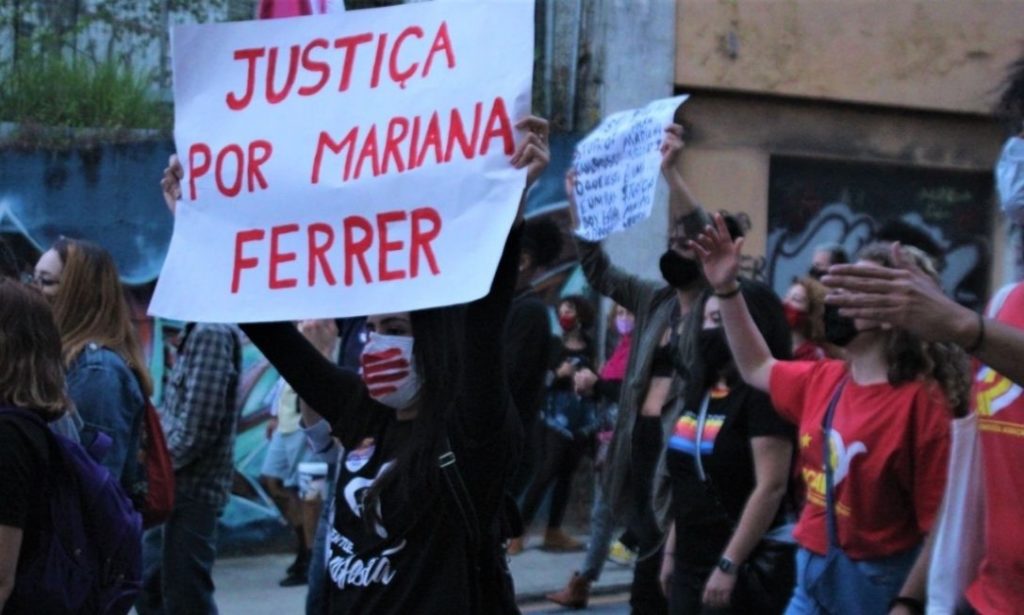
(Photo Credit: Catarinas / Viviane Rocha)

The unconvicted women condemned to death by suicide in jails across the United States

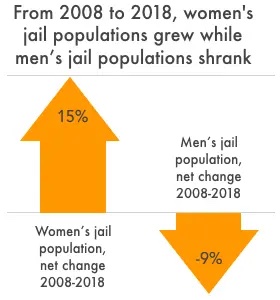
The Federal Bureau of Justice Statistics released its report on suicide in local jails and state and Federal prisons from 2000–2019. None of it is good or surprising. Since its last report, the number of deaths by suicide among women in local jails in the United States increased by almost 65%: “The number of deaths by suicide among female local jail inmates increased from 124 to 204 deaths between the periods of 2000-04 and 2015-19, rising almost 65%.” What else is there to say? If the numbers and rates of suicide rise year by year, that means the system thinks this rising is a mark of success. And who are those women. 77% of those who committed suicide in local jails were awaiting trial. The report refers to these people as “unconvicted inmates”. Unconvicted. Unconvicted, a word that is not a word and expresses everything. Here are a few of those unconvicted women: in Texas, Sandra Bland, 28 years old, Tracy Whited, 42 years old; in Alabama, Kindra Chapman, 18 years old; in Massachusetts, Jessica DiCesare, 35 years old; in California, Wakiesha Wilson, 36 years old; in Washington State, Tirhas Tesfatsion, 47 years old; in Indiana, Ariona Paige Darling, 18 years old. They are survived by children, partners, parents. Like so many others, they were all unconvicted. Innocent until proven …

Unconvicted.

Yet again, another report discovers what we already knew, yet again we encounter the ordinary, everyday reality of necropower: “Contemporary forms of subjugation of life to the power of death (necropolitics) profoundly reconfigure the relations among resistance, sacrifice, and terror …. In our contemporary world, weapons are deployed in the interest of maximum destruction of persons and the creation of death-worlds, new and unique forms of social existence in which vast populations are subjected to conditions of life conferring upon them the status of living dead … Under conditions of necropower, the lines between resistance and suicide, sacrifice and redemption, martyrdom and freedom are blurred.”

When the State can report, as just another data point, “unconvicted inmates accounted for almost 77% of those who died by suicide in local jails during 2000-19”, we have moved beyond necropower. We are in the country of the unconvicted women condemned to die by suicide where justice is a line between who must be executed and who must commit suicide.


(By Dan Moshenberg)

(Infographic Credit: Prison Policy Initiative) (Image Credit: Tate Modern)


No, It Is Totally Acceptable to Confront Politicians

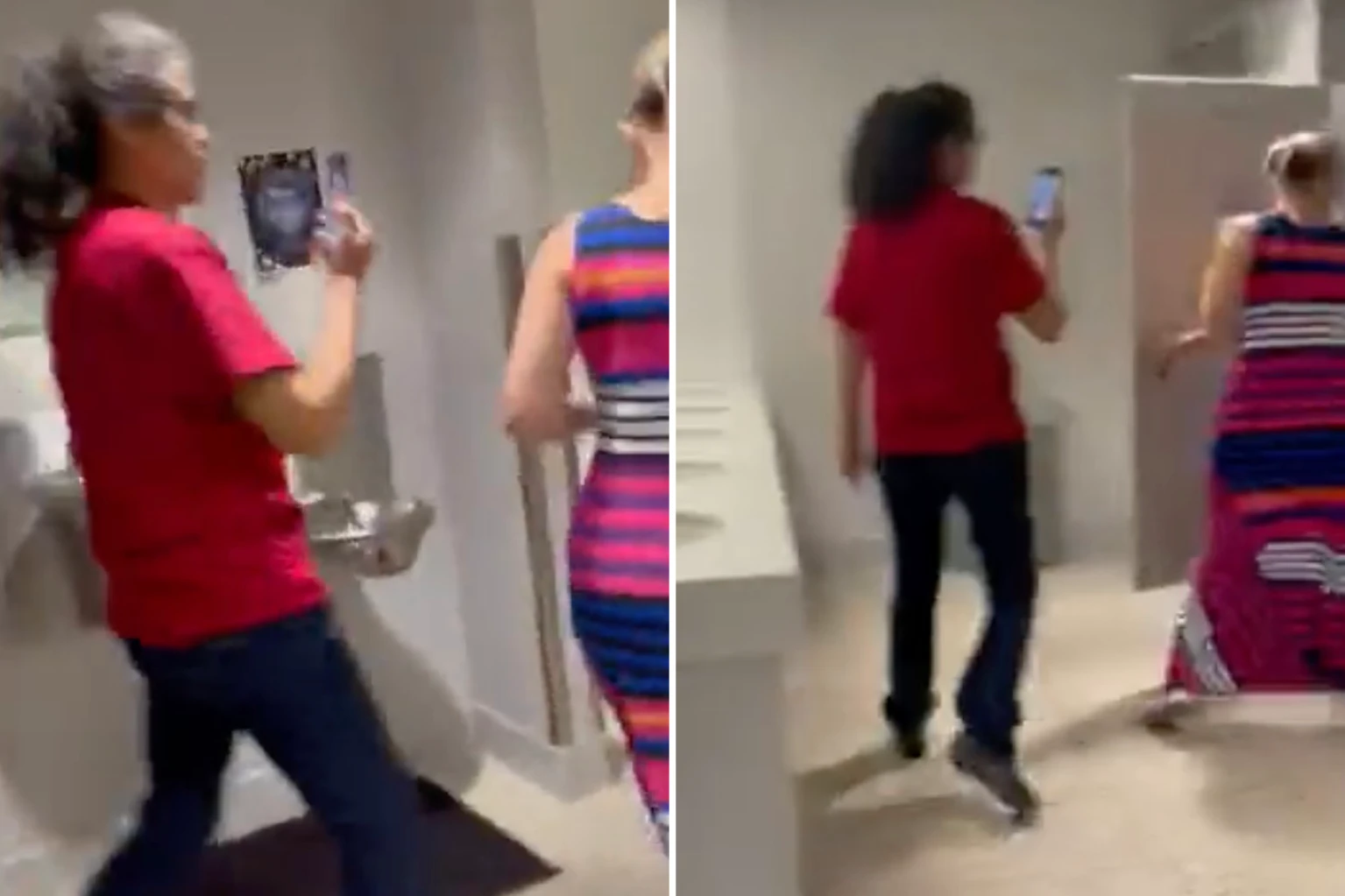
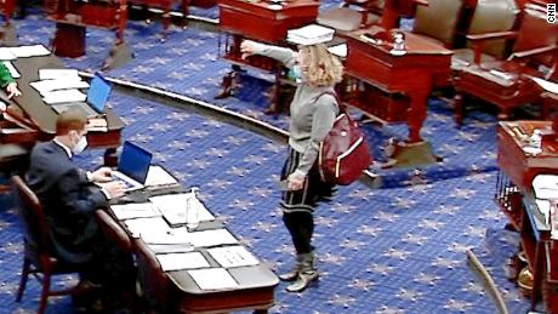
The entire point of organizing and direct action is to confront people and power, disrupting their everyday lives-or their paths of least resistance-to make sure to hold those people accountable and to reclaim power of those who normally feel powerless. So, when there is consistent criticism of an immigration activist who followed Senator Sinema into the bathroom of ASU, I am fascinated to ask what organizing and disrupting state power means to those who are voicing that criticism?

Is it not an act of violence and dismissiveness when Sinema, using her position as a Senator of the United States Congress, dramatically girl-bossed her rejection of raising the federal minimum wage to $15 an hour? A provision that would have lifted millions in this country out of poverty.

It is not violence, worthy of a faceoff in the bathroom, on an airport, in a airplane, when Sinema rejected an infrastructuredeal agreed upon in August, demanding a smaller bill from $3.5 trillion to $1 trillion, erasing the potential for universal childcare, free community college, and investing in cleaner energies that would combat a disastrous climate crisis?

Then if it is, what does it matter if Sinema is asked some questions about her vote, in the only places that constituents can get to her? She hasn’t had a town hall in three years! So what if they get her at a university-where she ran away from them into a bathroom stall. So what if they catch her at the gate of an airport? Is she doing any outreach herself?

But it’s inappropriate!

So is delaying a bill that has the potential to help people.

But you wouldn’t want to be accosted in the bathroom!

 Goodness I hope not. That would mean I’m a terrible politician that would deny her constituents the means to be uplifted out of poverty, comprehension immigration reform, and cleaner infrastructure. And I’m not Kyrsten Sinema, who is doing just that.

But you need to be polite! This distracts from your goal of getting the bill passed!

This is exactly what activists should be doing. Disrupting a person’s path of least resistance. If those students and activists did nothing, then she would have easily gone back to Arizona and spent the entire time fundraising and thinking it was ok. This is putting her shady habits into the spotlight. Why the hell are activists blocking traffic? Or occupying spaces? It’s so those in power don’t ignore them. Which politicians have a surprising habit of doing.

Sinema should be prepared for more questions in inconvenient places. So should Manchin too, while we’re at it, because it seems a little too spot on the nose that he is lecturing about fiscal responsibility atop his yacht.

You can’t respectability politics your way out of this one.

(By Nichole Smith)

(Photo Credit: NY Post / Twitter)

Instacart Workers Are Going on Strike: Fighting Against the Precarious Gig Economy

Instacart is facing a nationwide strike, happening October 16th.

Its workers will log off the grocery delivery app until the company agrees to a series of demands, the priority being higher pay. Instacart became a vital source during the pandemic, while customers and people in general limited their going out in the face of COVID-19, increasing the demand for food delivery services, grocery shopping applications, and online shopping. But with the conveniences of such types of services, comes the ultimate issue in these quick shopping trips: the workers are usually underpaid, overworked, and given virtually no benefits.

That comes with a whole slew of problems when it comes to workers in the gig economy. Yes, the job is flexible, where you can make your own hours or choose your own customers, but the pay and the work equal to what amounts to poverty wages, with some employees complaining (via New York City) that they are unable to access bathrooms and often cannot see or access the tips that customers add to orders. This has prompted legislative changes, including provisions to put the hourly wages of the gig workers (averaged at $7.90/hour) on par with the state’s minimum wage provisions. I have had conversations with Instacart workers before. They are a vital part of the grocery industry but are not given the stability of a good wage and health benefits. One worker complained that they take the job because of the high tips on the app, which can be reduced any time as the customer sees fit. There is no promise of the original tip available to them.

Most notoriously, in California, gig companies like Uber counteracted bills which entitled drivers to benefits and better pay with Prop 22, allowing gig workers to be exempt from the requirement. In August Prop 22 was found to be unconstitutional.

These issues continue to amass as more people look for easier ways to access goods and services, mostly through gig companies (like Uber Eats, Instacart, Lyft, and Shipt), and the precariousness within the economy itself increases. Workers are at very high risk of injury as well and are not able to access any healthcare benefits and workers’ compensation.

Considering the failures of the company to help the workers, or the legislation going to slow to help in anyway, workers have been on their own, to strike for better working conditions. In June, Uber and Lyft drivers participated in a day long strike to demand the right to organize, DoorDash workers protested outside the CEO’s house in California to demand better pay, tip transparency and PPE.

Notwithstanding the massive labor uprising happening in all sectors of the industry, the gig economy is ready for workers to organize and demand better wages and working conditions. On October 16th, customers can join the strike by deleting their Instacart app to demand the company take care of its workers. Because we have nothing to lose but our chains.

(By Nichole Smith)

(Photo Credit: Vice / Michael Loccisano / Getty Images)

HMP Bronzefield: An architecture built of women’s pain, grief, corpses. Shut it down!

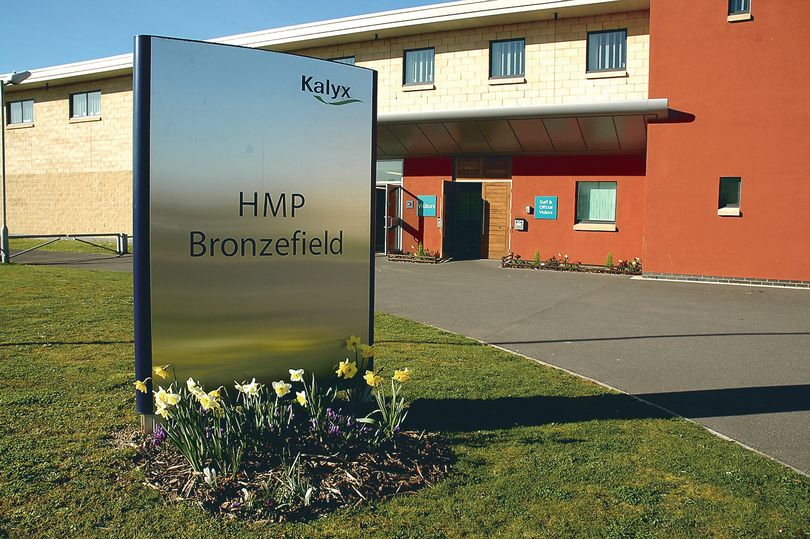
HMP Bronzefield, in Surrey, England, is England’s and Europe’s largest women’s prison. It is run by Sodexo “Justice Services” (because irony is dead). On September 27, an 18-year-old woman, now known as Ms A, alone in her cell, gave birth to a child. The child, now known as Baby A, died. The Director said, “We are supporting the mother through this distressing time and our thoughts are with her, her family and our staff involved.” Sodexo claimed it was “undertaking a review”. At first, the Prisons & Probation Ombudsman, supposedly the agency that investigates deaths in prisons and detention centers, did not conduct an investigation. Surrey Police investigated the death, because it was “unexplained.” End of story. HMP Bronzefield, In Surrey, England, was then and is today England’s and Europe’s largest women’s prison. Last week, two years later, the Prisons & Probation Ombudsman finally issued a report, which demonstrated that absolutely nothing has been learned.

The report begins with the Ombudsman’s “vision”, “To carry out independent investigations to make custody and community supervision safer and fairer.” Anyone who knows anything at all about HMP Bronzefield’s abysmal record can only read that statement and weep. Though filled with alarming details, the most alarming aspect of the “investigation” is that the situation at HMP Bronzefield has been known since its opening in 2004. For example, remember Petruta-Cristina Bosoanca?  In 2017, Petruta-Cristina Bosoanca was pregnant and a prisoner in HMP Bronzefield. Petruta-Cristina Bosoanca gave birth alone, unattended, in her cell. Her child survived. What happened to care provision in the four years since Petruta-Cristina Bosoanca gave birth? Absolutely nothing. In 2010, the Chief Inspector of Prisons found that HMP Bronzefield was a nightmare, especially for women with “complex needs”, meaning women living with drug or alcohol addiction, PTSD, and a long list of other mental and physical health issues. There was no treatment, there was no attempt at treatment, there was only solitary confinement, for years on end. When the Chief Inspector returned to HMP Bronzefield in 2013, he noted, “We were dismayed that the woman who had already been in the segregation unit for three years in 2010 was still there in 2013.” We were dismayed. The nation claimed to be dismayed … for a nanosecond, and then went back to the business of inflicting pain on women and piling up the bodies of women and children, all victims of State-sponsored torture.

The latest report notes that “Ms A did not receive the routine bereavement and practical support that would normally be provided to a bereaved mother by the child death review nurse for Surrey.” Ms A did not receive counseling, but the staff did. The staff explained that the only thing amiss with Ms A was that she had a “bad attitude”. Not that she was 18 years old, incarcerated for the first time while awaiting trial, not vulnerable, not frightened. Just a “bad attitude”. The staff, however, needed and received counseling.

The State response to this ongoing crisis of incarcerated pregnant women has been to suggest it must build more and bigger women’s prisons. HMP Bronzefield is the largest women’s prison in the United Kingdom and in Europe. It is a building made of pain and grief. There was no `failure’ of care at HMP Bronzefield, and there never has been. There was refusal of care, refusal to care. We are dismayed. Do not build more, do not investigate more, do not imprison more. Shut it down.


(By Dan Moshenberg)

(Photo Credit: SurreyLive)

Covid Operations: In prisons, jails, immigrant detention centers, the United States refuses to address Covid

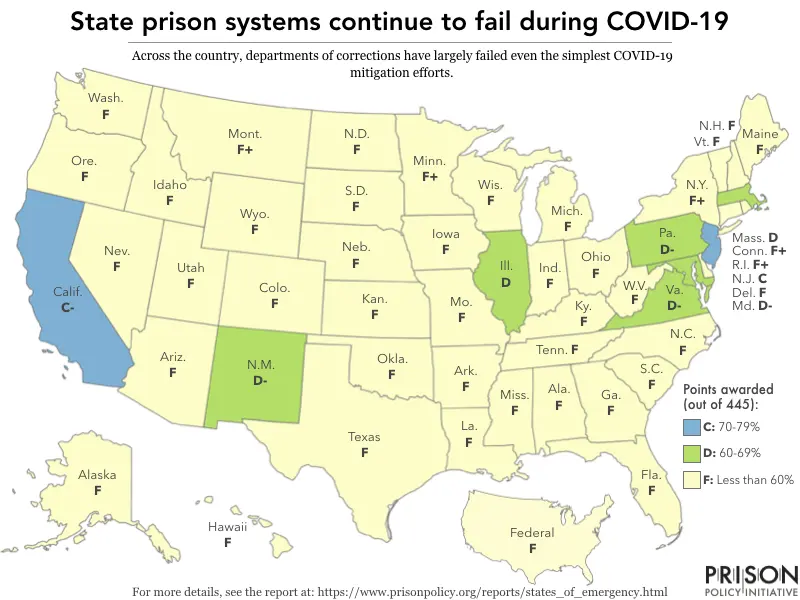
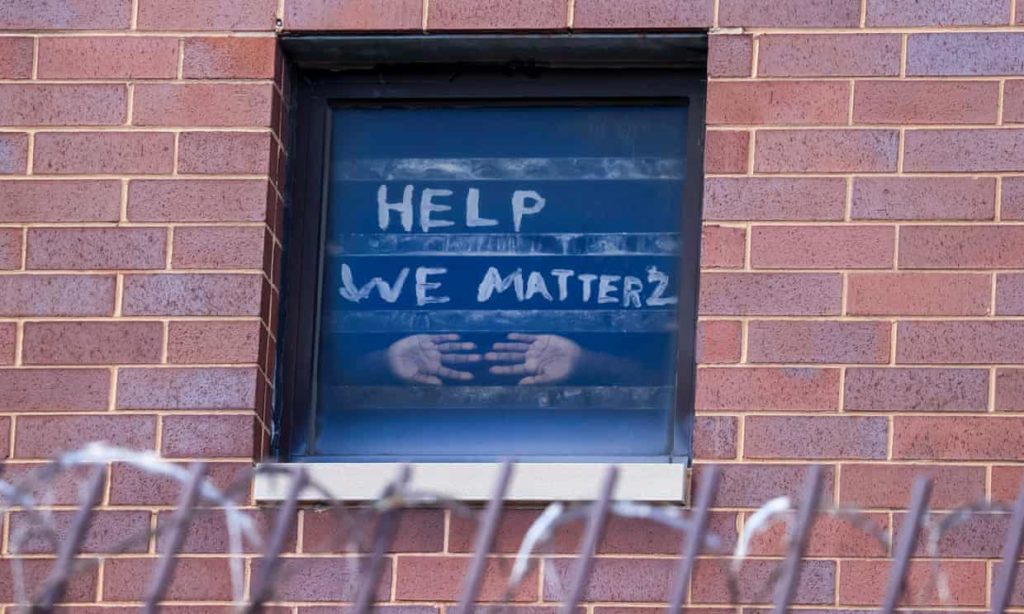
In June, the Florida Department of Corrections ended all Covid-related pandemic emergency protocols. This includes reporting, and so now, although cases increase and people behind bars are dying, the state issues no reports. It’s none of your or our business. Go away. Florida is not an outlier. The whole country has refused do care for people behind bars. According to the most recent Prison Policy Initiative analysis, the United States gets an F, the Federal Bureau of Prisons gets an F. 42 state prison systems get F or F+. The highest grade went to New Jersey, C. Another study, looking at jail populations, finds that one of the best forms of Covid mitigation – along with vaccination, mask mandates, social distancing – is jail decarceration: “The globally unparalleled system of mass incarceration in the US, which is known to incubate infectious diseases and to spread them to broader communities, puts the entire country at distinctive epidemiologic risk …. Public investment in a national program of large-scale decarceration and reentry support is an essential policy priority for reducing racial inequality and improving US public health and safety, pandemic preparedness, and biosecurity.” As to immigrant detention centers, “The Department of Homeland Security (DHS) has proven itself ill-equipped to manage the spread of coronavirus disease 2019 (COVID-19) in its detention facilities.” This applies as well to the “nongovernmental detainee facilities across the country”, such as the Otay Mesa Detention Center, site of the largest Covid outbreak among detained migrants … thus far. Say what you like about Florida, when it comes to concern for the vulnerable, for care of those people living and suffering in prisons, jails, immigrant detention centers, it’s just one of the guys.

As the Prison Policy Initiative analysis suggests, this shouldn’t have been so complicated or difficult. Reduce the prison population. Reduce infection and death rates behind bars. Vaccinate everyone living behind bars. Address basic health and mental health needs through easy policy changes: waive video and phone call charges; provide masks and hygiene products; suspend medical co-pays; require staff wear masks; require staff be tested regularly. That’s it. It’s not complicated. It’s not hard. Everyone failed. I know … New Jersey got a C, California a C-Everyone else got a D or F.New Jersey vaccinated and released many living behind bars, but New Jersey’s infection rate in prisons was almost four times higher than the state COVID infection rate, and the prison Covid mortality rate was almost double that of the state.

Four states – California, Illinois, Pennsylvania, New Jersey – made significant efforts to reduce prison population, partly through early release, early medical parole, suspension of incarceration for technical violations of probation and parole. Even with that, no state actually passed: “the nation’s response to the pandemic behind bars has been a shameful failure.” The response is shameful because there has been no response, and here I don’t only mean on the part of prisons, jails, immigrant detention centers. Where is the outrage? Where is the attention? Other than the usual suspects, who really cares? The failure is shameful because it is part and parcel of the national project. This is us, brutal and bankrupt in our lack of concern.

(By Dan Moshenberg)

(Infographic Credit: Prison Policy Initiative) (Photo Credit: The Guardian / Tannen Maury / EPA)

We criminalized and demonized relief for forty plus years: Of Eviction

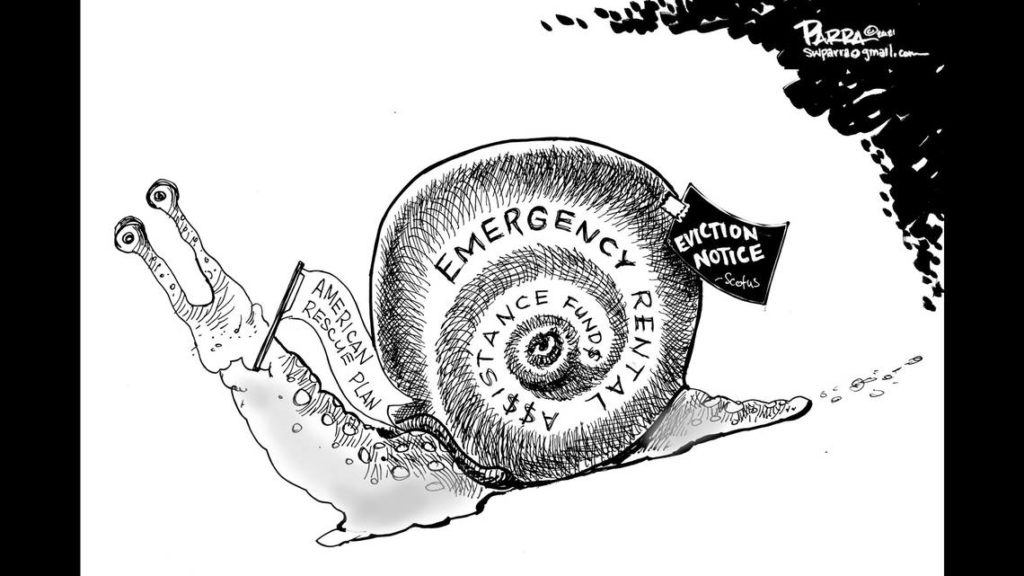
The U.S. federal government released $45 billion for rent relief. What happened? On one hand, a great deal … for those lucky few who received the money. But they are the lucky and they are the few. Otherwise, the money has mostly sat in the proverbial vaults. Why? Many policy analysts, activists, advocates and just plain folk have looked at the situation and concluded that many, actually most, states and localities created impossibly cumbersome processes that tenants often found inscrutable, if they found the process at all, and landlords found, or claimed to find, too `burdensome’? While the analyses are informative and hopefully will help streamline programs, significant questions remain. Why did states and localities design such difficult processes for relief? If you were standing on the deck of a ship and saw someone drowning in the water, how many preconditions would you lay before throwing the person a lifeline?

First, as eviction researchers, anti-eviction activists and advocates, and anyone who’s ever been in an eviction proceeding concur, eviction processes in the United States have long been weighted heavily in favor of landlords. Typically, 90% of landlords show up with attorneys, while 10% or fewer of tenants have any legal representation. Then there are arcane processes no one really understands, except that they make it almost impossible for tenants to get anything like justice. For example, Nevada has something called summary eviction process in which a tenant receives a seven-day eviction notice for non-payment of rent. If the tenant doesn’t file an affidavit in court within seven days, the landlord receives automatic approval to evict the tenant. No summons, no complaint, no hearing. The tenant must sue in order to be sued to be evicted. If your head is spinning, call it property vertigo.

Many localities and even some states have passed or are considering right to counsel that would begin to readjust the imbalance and injustice. That would be an important step.

At the same time, questions remain. Are all situations of non-payment really the same? Is there any concern for those who suddenly lose their jobs, fall sick, live with someone who falls sick, and the list goes on? The answer, bluntly, is No. And that No is our national policy of relief.

Since 1980, every national government has demonized and criminalized those who need, and deserve, relief and assistance. From Welfare Queen to Ending Welfare as We Know It, the focus of the assault has been on Black and Brown women. What’s been good for the national goose has been even better for the state and local ganders. Funds for public services were cut, deeper and deeper, in successive decades, those who in any way relied on those funds were criminalized and demonized further and further.

And so here we are, in the second year of a pandemic with its consequent economic crisis, and we’re somehow shocked that states put security before relief. Why is self-attestation such a difficult point for states and localities? Because they fear fraud. Why do they fear fraud? Because those who seek help, who need help, are, by definition, demonic and criminal. Ignore the history of banks in creating the last recession. Too big to fail, too big to jail. Ignore the history of corporate landlords abusing eviction processes to harass tens of thousands of tenants. Ignore the recent history of corporate landlords `finding loopholes’ in the CDC moratorium to continue their practices of mass eviction. Focus instead on the possibility of fraud and create processes that are so difficult, so burdened with evidence, that really no one is meant to apply. And that qualifies as success, by the metrics of the last 40 some years.

This is not even about putting people first, although we should. A government and a country that cares about people at all would set up structures to help them immediately and then worry over the details later. $45 billion would go a long way, but instead it sits in the proverbial vault. If you are standing on the deck of a ship and see someone drowning in the water, do not delay, do not lay preconditions, throw the person a lifeline. Anything else is a crime.

(By Dan Moshenberg)

(Image Credit: Fresno Bee / SW Parra)