In the land of the “free,” “free” is only awarded to certain people

The Supreme Court’s decision to overturn Roe v. Wade has dominated the social and political landscape in the U.S. and across the world. In June, the UN voted to denounce the Court’s decision and when the Court released its ruling, Democratic politicians did not hesitate to reach out to their base through fundraising emails and texts. Additionally, many have expressed concerns about what this means regarding fundamental rights realized in the last 50 years. While these responses to the decision are important, it is time to also acknowledge the misogyny rampant in America.

Simply put, America hates women. The loss of the right to safe legal abortions threatens the right to life, liberty and the pursuit of happiness. Recent headlines about a ten-year old girl seeking an out-of state abortion for a pregnancy as a result of a rape is just one extreme but not unique example of the great dangers that many of us may face in the not so distant future. It is a gross story of forced reproduction and pregnancy without considering the physical and emotional toll a pregnancy may have on an adult let alone a ten-year old girl.

Additionally, people have been similarly forced into carrying pregnancy; being held unfairly and unjustly responsible for pregnancy outcomes. For example, Purvi Patel, an Indian-American woman, was imprisoned and convicted to 20 years in prison for her pregnancy loss. She was charged with felony child neglect and feticide – charges that value the humanity and life of the fetus over that of the individual carrying the pregnancy. These stories of loss, loss of autonomy and life, point to a devaluation and dehumanization that grounds the misogyny in America.

Outside of reproductive rights, perhaps another poignant example of misogyny could be viewed through the legal battle between Johnny Depp and Amber Heard. The issue was domestic violence, a reality many  know all too well, but this serious concern was almost second to the social media reactions to the case. As the trial was publicly consumed and followed for six weeks, it became clear who was favored and who was not. In fact, Heard was met with mockery and vilification for sharing her story; it was as if the crime of defaming an apparently beloved actor (Depp) was more horrendous than the allegations of violence and abuse. Regardless of how one may feel about the case, it was objectively troubling to see the lack of empathy, to see how easily people mocked someone’s story of abuse.

In the land of the “free,” these stories demonstrate that “free” is only awarded to certain people. “Free” to live as we choose, “free” to speak your truth in the hopes of being heard are not realized by all. It is unclear where to move forward from here, but acknowledging this reality is the best first step.

(By Michelle Nguyen)

(Photo Credit: Christine Garlough / UW-Madison Libraries)
Texas’s juvenile prison system is (still) in crisis (again): Where are the girls and young women?

E.Y., age 11

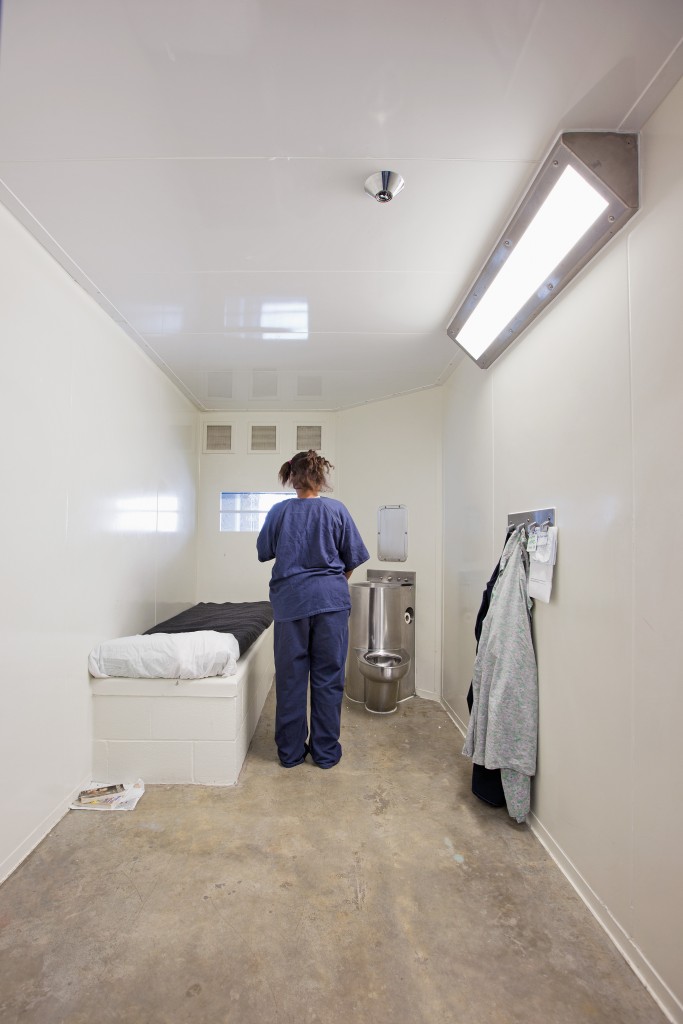
The Texas Tribune reports this month, and once again, that Texas’s juvenile detention system is still in crisis, again. As Tribune criminal justice reporter Jolie McCullough noted in an interview yesterday, “The Texas Juvenile Justice Department has really always been – it’s always been in crisis. It’s been more than a decade of crisis after crisis. There’s sexual abuse scandals, mistreatment allegations. They’re actually under federal investigation right now from the U.S. Department of Justice.” The Texas Juvenile Justice Department has always been in crisis. While the system has reduced from thousands to hundreds, that step is of little benefit to those still caught inside. Children are spending 23 hours a day, days on end, alone in their concrete cells, equipped with a mounted shelf and a thin mattress: “The lucky ones have a small window to the outside.” Children are `self-harming’ in record numbers. The “system is nearing total collapse.” Nobody in that system is lucky. And where are the girls and young women? They are in the Ron Jackson State Juvenile Correctional Complex in Brownwood … for now.

In 2008, the ACLU filed a class action lawsuit against Texas challenging inhumane conditions at the Brownwood State School, which was later renamed Ron Jackson. The conditions included invasive, frequent strip searches; frequent, extended use of solitary confinement; frequent application of “brutal physical force.” Why were girls and young women in Brownwood, in the first place? Minor offenses, minor misbehavior, but really for being girls and young women who had survived violence and were living with trauma, depression, and mental health issues. Any of those would send a girl or young woman into solitary, often and for long periods of time. Who in that system, in the early 2000’s, was lucky? That class action lawsuit covered “all girls and young women who are now or in the future will be confined in the Brownwood State School”. From 2008, is 2022 “in the future”, because the conditions at Brownwood, now known as Ron Jackson, are still brutal.

In 2012, the Texas Coalition Criminal Justice Coalition reported on girls’ experiences in the Texas juvenile justice system. They found: “Girls in the Texas juvenile justice system do not receive sufficient help to deal with past trauma in their lives … Negative interactions with staff are the least helpful part of the juvenile justice system; they are also the number one thing girls want changed in the juvenile justice system … Girls in the Ron Jackson state secure facility are extremely isolated from their families.” Anna Yáñez-Correa, Executive Director of the Coalition, noted, “We are failing many of these traumatized children. Half of the girls we surveyed at the Ron Jackson State Juvenile Correctional Complex told us that their time in county juvenile facilities either did not help or actually did more harm than good for dealing with their past trauma. Tragically, eight percent told us that their time at Ron Jackson is doing more harm than good, suggesting that our juvenile justice system may be re-traumatizing many of these domestic violence survivors.” As one girl explained, “Counselors, staff, the legal system – they can’t understand where we’re coming from and what we need. They’re always trying to judge us for our trauma.” Ten years later, the trauma and the judging continue and deepen.

In 2019, the U.S. Justice Department’s Sexual Victimization Reported by Youth in Juvenile Facilities, 2018 found that, nationally, 7% of youth in juvenile facilities reported having experienced sexual victimization, which was down from 9.5% in the previous report, in 2012. Texas was an outlier, reporting 10.3%. Ron Jackson’s lucky residents reported 14%, as they had in 2012. In August 2019, a guard at Ron Jackson was fired and jailed for sexually abusing a “resident”. For those incarcerated girls and young women, when does “the future” begin?

Last year, the U.S. Department of Justice launched an investigation into the abuse of children and teens in Texas juvenile detention centers. At the press conference announcing the investigation, Chad Meacham, acting U.S. attorney for the Northern District of Texas, said, “We are particularly troubled by the news coming out of the facility in our district, especially reports of misconduct by staff.” That was an explicit reference to the particularly troubling Ron Jackson State Juvenile Correctional Complex.

Last year, the Texas Juvenile Justice Department reviewed its own “progress”. Under the heading “Achieving Balance Between Supervision and Population”, the report addressed the particularities of girls at Ron Jackson: “Girls have very high levels of trauma, with 86 percent having 4 or more Adverse Childhood Experiences, and when we screen them for potential sexual exploitation, 36 percent are of clear concern and 55 percent are of possible concern. The small number of girls in state care quite often have an intense level of trauma that causes them to respond automatically and aggressively to stressors. Girls need an overall ratio of 1 direct-care staff member to 6 girls; for the most violent youth and those with significant mental health needs, that ratio is 1 to 4. Of girls in secure facilities 63 percent have been placed on suicide alert at least once— about twice the percentage of TJJD secure youth overall. When this occurs, they often need a 1 to 1 ratio … 84 percent of girls have four or more Adverse Childhood Experiences (ACEs) as compared to 12.6 percent of the public, 91 percent of girls are clear or possible concern for child sex trafficking … This is the highest concentration of acute needs and risk in the history of the agency.” How does the State respond to the highest concentration of acute needs and history? Diverting federal coronavirus relief funds to Texas’ “border security mission.”

In June 2022, Shandra Carter, Texas Department of Juvenile Justice Interim Director, wrote to her staff to outline her response to the department’s situation. The letter begins, “I am incredibly disappointed to have to inform y’all that we will temporarily be halting intake of youth committed to TJJD.” She then outlines five steps, including moving the female behavioral stabilization unit from Ron Jackson unit to the McLennan County State Juvenile Correctional Facility and “reducing’ the female population by 16 at the Ron Jackson State Juvenile Correctional Complex by moving them to the McLennan County State Juvenile Correctional Facility, currently holding 242 males. So, the reduction involves no reduction but rather moving 16 girls and young women to an all-male facility that is also under federal investigation.

The Texas Juvenile Justice Department has always been in crisis. From the first report to the latest, the “crisis” is always attributed to “staffing shortages”. While staffing shortages exist, the crisis in the Texas Juvenile Justice Department is prison. Texas responds to violence against girls and young women as a matter of criminal justice in which girls and young women are condemned for their trauma as well as their survival. Moving girls and young women from one prison to another does not reduce their population, it reduces their dignity and stature and intensifies their trauma. Blaming the situation on staff shortage refuses to acknowledge the truth, one which Mark Patterson, head administrator of the currently empty Hawaii Youth Correctional Facility, explained, “We no longer want to keep sending our kids to prison … Do we really have to put a child in prison because she ran away? What kind of other environment is more conducive for her to heal and be successful in the community?” Stop offering alibis, such as staff shortages, for our own vicious policies; stop sending children to prison; stop treating trauma and mental illness as a crime. Work towards healing in the community and beyond. Begin, again, by stop sending children to prison. Where are the girls and young women; when does their future begin?


(By Dan Moshenberg)

(Photo Credit: Richard Ross / PBS)

No girls in juvenile detention: In Hawaii another impossible world is possible

“Forgiveness must announce itself as impossibility itself. It can only be possible by doing the impossible.”   Jacques Derrida, On Cosmopolitanism and Forgiveness

For decades, women have been the fastest growing population. For decades, girls have been the fastest growing population in juvenile detention. While many have decried the situation, it often seems that the best one can hope for is some reform around the edges, but real change, transformative change, seems impossible. The problem is so big, so complex, and there are so many things to attend to. It’s … impossible. Well, welcome to Hawaii: “Hawaii has no girls in juvenile detention. Here’s how it got there.”

In 2014, we noted, “Girls are entering into the juvenile `justice’ system at an alarmingly increasing rate. One reason is that girls are arrested more often than boys for status offenses and are more severely punished for those offenses. The thing is those `offenses’ are not crimes. That’s what makes them `status’ offenses. If the girls were older, there would be no offense, no crime. But they are girls, and they must be protected from themselves.” Boys will be boys, and girls will be jailed. In January 2022, eight years later, we noted, “Girls `enter the criminal justice system’ in disproportionate numbers and, as a result, die at a young age in disproportionate number. The time for discovery is over. It’s time, it’s way past time, to stop the slaughter of girls and gender expansive youth.” Boys will be boys, girls will be jailed, and then they will die at an early age. At times, the news can seem dispiriting, but wait, there’s more. Hawaii has no girls in juvenile detention. How can that be?

Hawaii has no girls in detention because people worked together for years to make that happen, starting in 2004, when Judge Karen Radius founded a Girls Court which “aimed to address the specific crimes and trauma history of girls.” Other Hawaiian programs with similar aims followed suit. Then, in 2014, Mark Patterson assumed the administration of the Hawaii Youth Correctional Facility, HYCF. Patterson came from having been warden of Hawaii’s only women’s prison, the Women’s Community Correctional Center. Upon announcing that HYCF had no girls inside, Patterson explained, “We no longer want to keep sending our kids to prison. What I’m trying to do is end the punitive model that we have so long used for our kids, and we replace it with a therapeutic model. Do we really have to put a child in prison because she ran away? What kind of other environment is more conducive for her to heal and be successful in the community?”

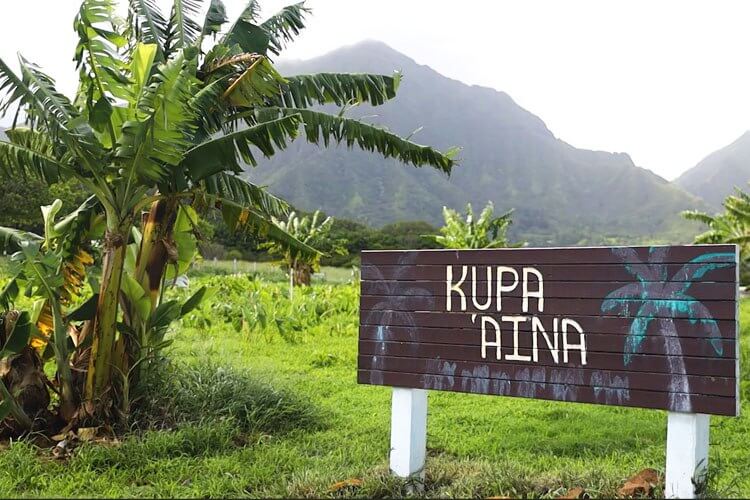
As Patterson and others explain, this news is the result of a concerted 20-year effort that itself is built on decades of work, vision, struggle. Part of it involved seeing and speaking the truth. Native Hawaiian youths were disproportionately dumped into the criminal justice system. Girls were arrested for having survived, often barely, trauma. And so, Patterson and his allies set to transform HYCF into the Kawailoa Youth and Family Wellness Center, an environment with trauma care at its center and everywhere. This vision, and now reality, is based on “pu’uhonua — a place created within a traditional Hawaiian village for conflict resolution and forgiveness.”

For Patterson and his allies, the struggle is not over, there’s more work to be done, much more work. At the same time, their work and example have already taught that doing the impossible is necessary. Another world is possible, one in which impossible forgiveness subsumes the criminality and cruelty of justice structures that send children, especially girls, who have suffered trauma into cages, brand them for life, and then toss away so much more than a key, toss away their lives. Another impossible world is possible.

(By Dan Moshenberg)

(Image Credit: Ka Wai Ola)

British Columbia decided that rather than be second in the race to the bottom, it would prefer to be first in the pursuit of justice

#WelcomeToCanada

On Thursday, July 21, 2022, British Columbia’s Minister of Public Safety and Solicitor General, Mike Farnworth announced that the province will end its immigration detention contract with the Canada Border Services Agency (CBSA). The province would no longer hold immigrant detainees in provincial jails. Minister Farnworth explained, “In the fall of 2021, I committed to a review of BC Corrections’ arrangement with the CBSA on holding immigration detainees in provincial correctional centres. This review examined all aspects of the arrangement, including its effect on public safety and whether it aligns with the United Nations Standard Minimum Rules for the Treatment of Prisoners and expectations set by Canadian courts …. The review brought to light that aspects of the arrangement do not align with our government’s commitment to upholding human-rights standards or our dedication to pursuing social justice and equity for everyone.”

Part of the impetus for the provincial review came from a joint Human Rights – Amnesty campaign, #WelcomeToCanada, launched last year, on June 20, World Refugee Day. At the launch, the campaign noted, “Between April 2019 and March 2020, Canada locked up 8,825 people between the ages of 15 and 83, including 1,932 in provincial jails. In the same period, another 136 children were `housed in detention to avoid separating them from their detained parents, including 73 under age 6 … Since 2016, Canada has held more than 300 immigration detainees for longer than a year.”

This week, Ketty Nivyabandi, secretary general of Amnesty International Canada (English Speaking), said, “Today’s decision is a momentous step. We commend British Columbia on being the first province to stop locking up refugee claimants and migrants in its jails solely on immigration grounds. This is a true human rights victory, one which upholds the dignity and rights of people who come to Canada in search of safety or a better life.”

Kasari Govender, British Columbia’s current and first independent Human Rights Commissioner, added, “Detaining innocent migrants in jails is cruel, unjust and violates human rights commitments. CBSA may still hold migrants in a detention centre, but this a significant first step towards affirming the human rights of detainees. Now, it is up to the federal government to abolish all migrant detention and expand the use of community-based alternatives that support individuals.”

The decision is momentous, landmark, in a number of ways. In and of itself, it marks the first province to stop the brutal practice, and to do so in the name of human rights, social justice and equity. Additionally, until now, British Columbia is a leader in the incarceration of immigrants. From 2019 to 2020, 22% of detained immigrants were held in provincial jails. Then Covid hit. The number of people held in 2020 – 2021 dropped to 1605, of whom 40% were held in provincial jails. In the two years under review, only Ontario exceeded British Columbia in the incarceration of immigrants, asylum seekers, refugees. This week, British Columbia decided that rather than be second in the race to the bottom, it would prefer to be first in the pursuit of justice.


(By Dan Moshenberg)

(Image Credit: Amnesty International Canada)

Forging Friendships and Feminist Resistance: Where are the women, and what happens when they find each other

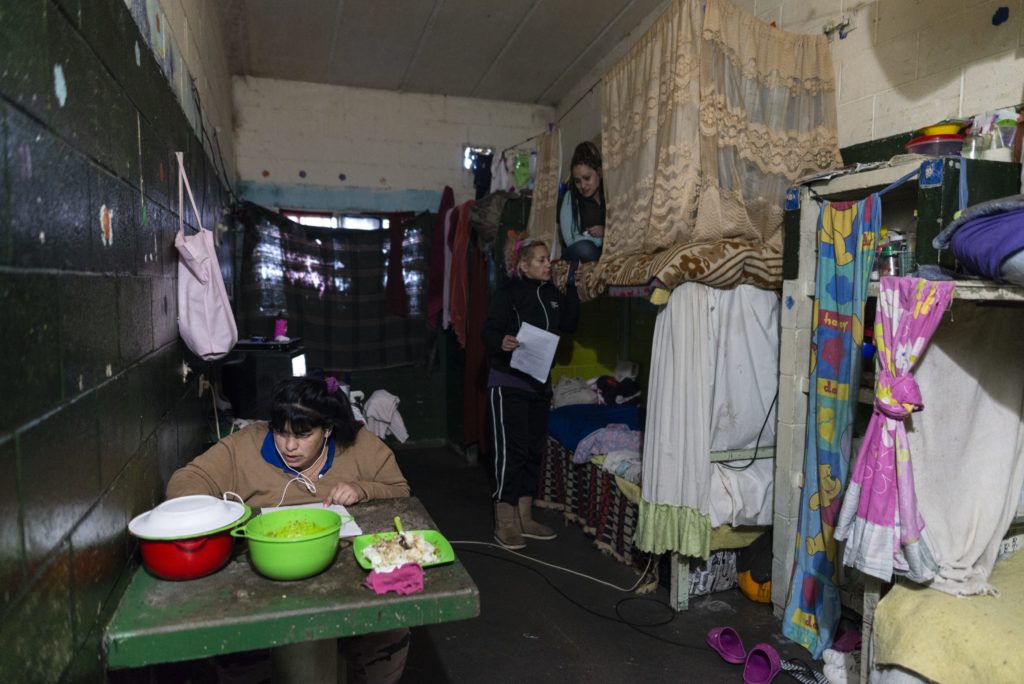
Paola helps her children with their homework over a video call in her cell

“Neighbors are the center of the universe to each other.”
Bessie Head

In March 2020, as the global COVID-19 pandemic was taking off, the Argentine government approved cell phones for incarcerated people. At that time, Paola was in Penitentiary Unit 47, in Buenos Aires. Upon receiving her phone, the first thing Paola did was call her neighbor, a number she had known by heart. The cell phones were the response to a quarantine that would have restricted visits, in-prison classes, and work outings, essentially increasing the isolation already faced by the prisoners every day. Access to phones has opened doors that were closed like zoom classes, facetime calls with families, digital payments, and one of the most important things: solidarity campaigns. Prisoners have used their cellphones to create Instagram accounts and solidarity campaigns to bridge the gap between prison and the outside world. Not only are the phones used to connect with people outside of prison, but Paola started a Whatsapp group to connect to her friends isolated in other cells, where they share information and activities and keep in touch. This story is important now more than ever because as the pandemic restrictions are lifted, families and human rights organizations are fighting to keep cell phones inside of prisons.

Prisons were designed to limit movement and connections between prisoners and the outside world; this is not a unique-pandemic experience and nothing at all like the celebrities who took to Twitter to share how their COVID-19 quarantine felt like a prison inside of the million-dollar Malibu mansions, but, I digress. What little solace there is to be found within the walls of prisons and jails is often found between the connections women can form, bonded by their mutual understanding of their positions in this world as female prisoners. With the recent death of Katherine Boudin, we can celebrate her work in creating carceral communities to share knowledge of literacy and AIDS; but we also fear for the future of such organizing in the wake of the COVID-19 pandemic.

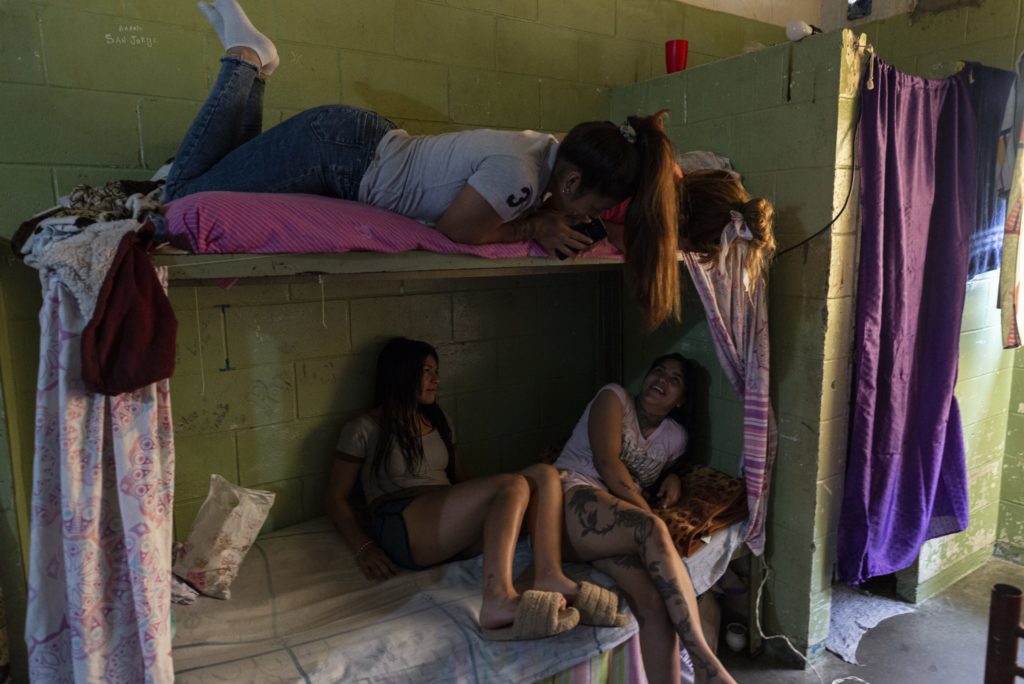
Paola and her fellow inmates called their children, watched movies, celebrated birthdays together, and had increased access to attorneys, defenders, and legal information. Cellphones across various Buenos Aires prisons were not only used to organize protests but to document the abuses they were protesting and post them online. The videos called attention to the inmates’ abuse claims as well and legitimized them. In the age of social media, giving prisoners access to cellphones provides them a unique opportunity to pursue global campaigns and organizations. Prisons gain their power from isolation and severing ties within and among communities, but bringing them back together, even just virtually, could decrease the power of isolation that the carceral system holds over inmates. During a time of increased border patrol and family separation across national boundaries, maintaining global communities feels more important than ever. Where the global panopticon seems to gain control by maintaining constant surveillance, are cellphones giving us a way, when in the hands of prisoners, to reverse these effects? Does it give prisoners the opportunity to surveil their guards? To look out for each other? To look out for their families?

If neighbors are the center of the universe, then the prison-industrial complex was built to control and sever that center, and as a deadly virus spreads amongst neighbors in and outside of its walls, that center has become increasingly hard to grasp. Women have always found a way to support each other through friendships, campaigns, political organizations, and support groups. In the digital age, there is an opportunity to globalize these systems of support.

Friends watch a movie together in a Penitentiary Unit 47 cell


(By Abigail Langmead)

(Photo Credits: Rest of World / )

India’s prison system is at 155% capacity, 80% await trial, the process is the punishment

India’s prison system, consisting of 1,378 prisons, is designed to hold a maximum of 403,739 people. On July 16, Chief Justice of India N.V. Ramana noted that the prisons held 610, 000 people. By July 17, that number was just under 620,000. Today, July 19, that number is 626,259, and rising. As of last count, India’s `correctional’ system is currently at 155% capacity. According to Chief Justice Ramana, 80% of incarcerated people are awaiting trial and presumed to be innocent. As Chief Justice Ramana noted, “In the criminal justice system, the process is a punishment. From indiscriminate arrest to difficulty in obtaining bail, the process leading to prolonged incarceration of undertrial prisoners needs urgent attention. Prisons are black boxes. Prisoners are often unseen, unheard citizens.” While the cloak of coerced silence and visibility cuts across several sectors, in each, the epicenter is women, and that is intentional.

Where are the women? Everywhere and nowhere. When it comes to overcrowded carceral spaces for women, six states lead: Uttarakhand, 156.5%; Uttar Pradesh, 140.6%; Chhattisgarh, 136.5%; Maharashtra, 105.8%; Jammu and Kashmir, 104.1%; and Jharkhand, 102.6%. Uttarakhand, Chhattisgarh, Jammu and Kashmir, and Jharkhand have no dedicated women’s jails; women are housed in enclosures in men’s prisons, designed for men. The process is the punishment. While this `unprecedented overcrowding” is shocking, it’s no surprise.

In 2015, 612 women in Tihar Jail, New Delhi’s Central Jail, refused to accept `the process’. They informed the State that they had been in prison awaiting trial for more than half of the maximum sentence for their various crimes. Responding to a letter by Supreme Court Justice Kurian Joseph, the Delhi High Court decided to take over. Justice Joseph had written directly to the Delhi High Court Chief Justice G. Rohini, the High Court’s first woman Chief Justice, “earnestly” requesting her “to take up the matter appropriately so that the cry for justice is answered in accordance with law with the promptitude with which a mother responds to the cry of her child”. In a plea to Justice Joseph, the 612 women in Tihar Jail described the cruel separation from their children six years and older; the severe overcrowding of the women’s jail; the insufferable delay in disposal of their cases; the unjust bail bonds conditions; the “lack of sympathy” from the jailhouse courts and doctors; and the inadequacy of legal aid made available to women prisoners. The women asked to be released immediately on personal bond. Testifying before the High Court, the Delhi government agreed: “Out of 622 inmates, 463 are undertrial prisoners, and there are only 159 convicts.” The Delhi government advocate noted that Jail No. 6, the women’s jail, was designed to hold a maximum of 400 women, and at that point, seven years ago, held 622. Effectively, one State agency told another State agency it was time to let my non-people go.

In 2019, after a bit of a delay, the National Crimes Record Bureau, NCRB, finally released its Prison Statistics India 2016 Report, which reported that, in 2016,  67% of India’s prisoners were “undertrial”. 72% of women prisoners were awaiting trial. Much more than with male prisoners, women prisoners were overwhelming young, minimally educated, poor … and formally innocent. Additionally, there were 1,809 children in prisons and jails across India, and they were all cared for by their incarcerated mothers. Of the 1809 children living behind bars, 78% of their mothers were awaiting trial, minimally educated, poor … and formally innocent.

And then came Covid.

In 2020, India’s Supreme Court, on its own, recommended various measures to control the spread of Covid in prisons and jails. In 2021, the same Supreme Court ordered state authorities to reduce arrests and decongest jails and prisons. States convened “high-powered committees” which came up with presumably high-powered plans. Today, those prisons and jails suffer unprecedented overcrowding. The last two years saw a 30% rise in incarceration numbers. From 2019 to this year, Haryana’s prison population went from 105.78% capacity to 224.16%. Uttar Pradesh went from 167.9% to 198.8%. Bihar went from a `respectable’ 94.2% to 164.3%.

Maharashtra has 60 central and district jails. Of them, one, Byculla Women’s Jail, is the only one dedicated for women and children. In 2020, Byculla Women’s Jail was at 101.5% of capacity, in the midst of the ferocious first wave that hit India, and Mumbai in particular, where Byculla is located.  On March 31, 2020, Byculla, capacity 200, held 352 women. That’s 176% occupancy rate.  In September 2021, when Covid raged through Byculla, the jail held close to 300 womenAccording to activist Sudha Bharadwaj, her Byculla unit housed 75 women. It had a maximum capacity of 35. Women slept side by side by side on the floor, each on a mat the “size of a coffin. Overcrowding becomes a source of fights and tensions. There’s a queue for everything – food, toilets.” 24% of the women in Sudha Bharadwaj’s unit were infected with Covid: “The judiciary should consider decongesting our jails more seriously. Even during the pandemic most people did not get interim bail to return to their families.” In April 2021, Byculla accounted for 33% of the Covid cases in Mumbai’s five jails.

The judiciary should consider decongesting our jails more seriously. The judiciary did consider decongesting the jails more seriously, and today the women’s carceral spaces are more overcrowded than ever. For women in India, the process – rule of law, due process, presumption of innocence, innocence itself, justice itself – is the punishment.


(By Dan Moshenberg)

(Art Work: Arun Ferreria / Free Them All)

Hope in a time of choler: From Thailand to Mexico to Switzerland to Slovenia to Ukraine, “hope has a place”

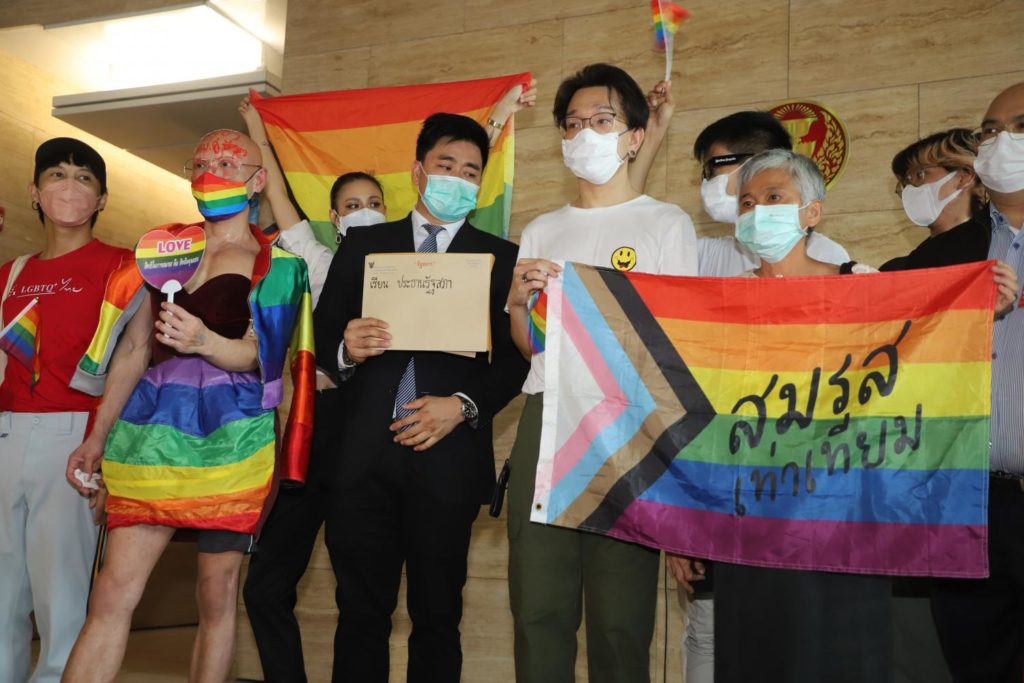
The Rainbow Coalition for Marriage Equality campaigns outside Thailand’s Parliament in support of Marriage Equality.

In his concurring opinion in the Dobbs v Jackson Women’s Health Organization, Justice Clarence Thomas wrote, “For that reason, in future cases, we should reconsider all of this Court’s substantive due process precedents, including Griswold, Lawrence, and Obergefell. Because any substantive due process decision is `demonstrably erroneous’, we have a duty to “correct the error” established in those precedents.” That is, `we’ have a duty to do away with Constitutionally protected legalized same-sex relationships and marriage equality, respectively, as well as respect, mutuality, and democracy. That decision was handed down June 24, 2022. As Virginia State Senator Adam Ebbin noted, “Nationally, it is clear there is a bull’s eye on the LGBTQ community.” Nationally … and globally. On June 20, the Osaka District Court ruled that the national ban on same-sex marriages is constitutional. (Last year, in “a landmark ruling”, the Sapporo District Court found the ban unconstitutional.) In both Hungary and Romania, national legislatures are considering so-called “gay propaganda” laws, of the sort instituted by Russia in 2013. Welcome to July 2022, where the Thunderdome continues to dominate our attention, but it’s not all gloom and doom. These are grim times. But they are not without hope. Hope has a place, from Thailand to Slovenia, between and beyond.

In Ukraine, faced with cataclysmic prospects, over 28,000 people signed a petition calling for legalization of same-sex marriage. As Anastasia Andriivna Sovenko, author of the petition, wrote, “At this time, every day can be the last. Let people of the same sex get the opportunity to start a family and have an official document to prove it. They need the same rights as traditional couples.” President Volodymyr Zelensky has ten days to respond. When every day can be the last …

In September 2021, 64.1% of Swiss voters supported the “Marriage for All” law in a national referendum. On Friday, July 1, 2022, the first same-sex marriages were formally conducted. As Aline, who married Laure on Friday, said, “It’s true that Switzerland has been a little slow. It’s not a moment too soon, after all. Now’s the time.” Now is the time.

On Friday, July 8, Slovenia’s Constitutional Court ruled that bans on same-sex marriage and adoption are unconstitutional. The Court ruled that discrimination is discrimation, and that discrimination against same-sex couples “cannot be justified with the traditional meaning of marriage as a union between a man and a woman, nor with special protection of family”. The Court ordered the Parliament to amend the law within six months.

On Friday, June 24, hundreds of same-sex couples in Mexico City were married in a city-funded mass wedding ceremony, a ceremony that had been cancelled for the previous two years, due to Covid. Mexico City legalized same-sex marriage in 2010. Since then, 26 of Mexico’s 32 states have done so as well.

Finally, in June, Thailand’s Parliament passed both a same-sex civil partnership and, separately, a marriage equality bill for further consideration. While activists would prefer full equality, either would be a step forward. If the Parliament passes either bill into law, Thailand would become the first South East Asian country to legalize some form of same-sex relationships, and to provide partners within those relationships with legal rights regarding personal and jointly held property and the right to adopt children. As LGBTQ+ rights activist Nada Chaiyajit explained, “It’s like we were able to open the first door toward marriage equality rights in Thailand. Up until now, every draft that we’ve had in the past, had no chance to even be considered during the process.” #MarriageEquality dominated Thai Twitter on the day the Marriage Equality Bill moved forward. LGBTQ+ activist Ray Laohacharoensombat reflected on the situation in Thailand, and beyond, “Hope has a place”. Hope has a place.


(By Dan Moshenberg)

(Photo Credit: Pornprom Satrabhaya / The Bangkok Post)

Mental illness does not cause mass shootings

This is what mental illness is.

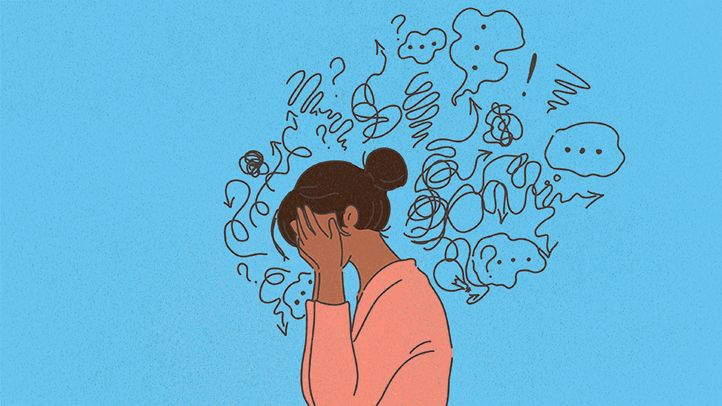
Depression is the inability to get out of bed even though you will eventually because you have to function. You may skip the shower though because what’s the point anyway? And then on your days off you stagnate, head cloudy with negative thoughts about your life and your job and your performance and everything about your body. You’re too fat, you have too much excess skin, you aren’t exercising why aren’t you exercising but what’s the point of exercising you’ll never live up to that expectation you have in your head. It’s being so tired and wanting to sleep but waking up at intervals during the night-or oversleeping the next day. It’s feeling like you’re holding the weight of the world on your shoulders and crying because you can’t take the pressure anymore.

The lead up to a depressive episode is checking to make sure the routines you like to do are something you are doing. Am I making my bed? Cleaning my room? Going for a run? Am I starting to withdraw? Is the haziness beginning to come over you?

…sometimes, it’s a feeling that no one will miss you if you’re gone…maybe the world and your loved ones would be better off without you…sometimes it’s a feeling that you’re not worth all the trouble so maybe it’s time to think about ending it all…

Anxiety is that gut wrenching feeling of the world not being in the organized space and time you need it to be. The world is chaotic, and you can’t understand or react in a way that’s beneficial to you. You stress over the littlest tasks because you believe you’ve done them wrong-all you ever do is something wrong. It’s the pit in the bottom of your stomach when you have to rectify a mistake that might not even be caused by you; it’s always your fault anyway, you’re the problem. It’s panicking and overthinking and rocking back and forth for self-soothing. It’s clawing your arms and your scalp because that’s the only grounding you have to help you; you know it’s bad, you know it’s not right, but god the overwhelming twisting in your stomach and pain in your chest hurts just a little less when you do it.

It’s the expensive therapy appointments and relearning how to counteract your brain’s instincts to assume the worst. It’s learning to be kind to yourself because all your life you’ve been fighting the same battles so of course it’s going to take just as long to recover. It’s medicines and visits to psychiatrists to regulate the hormones and chemicals in your brain to the point of being functionally a human being again and not a dark, spiraling cloud about the burst.

Mental illness is never mass shootings.

Mental illness is never hating minorities, or women, or wanting to cause mass harm to so many people. It’s not an ideology that everyone is inferior to you and they need to die (further from the truth, actually, everybody is better than me and I am a waste of space). Mental illness is turning the gun on yourself rather than on others. Mental illness is knowing how terrible you feel and never wanting to wish that on another person.

And I know my experience is not universal, but blaming the mass shootings that have been racking the United States on people who are mentally ill is not only statistically unsound but a dangerous precedent in re-stigmatizing a population that is already struggling to be acknowledged. It’s deterring from having a real conversation about gun violence and mass killings that can lead to policy change and action-something that gun rights advocates want. Because ultimately, the problem isn’t mental illness but access to firearms that can cause so much harm.

(By Nichole Smith)

(Image Credit: Everyday Health / Aleksei Morozov)

Hope in a time of choler: Sierra Leone, Kenya, Antigua and Barbuda

Mothers and children in Sierra Leone, with one of the highest maternal mortality rates in the world

In streets and legislatures as well as in representations in news and social media, from Hungary to India to Brazil to Zimbabwe to the United States and beyond and between, these are trying times in which a threat of totalitarianism looms around us. Welcome to July 2022, where, on one hand, the Thunderdome continues to dominate our attention, but it’s not all gloom and doom. These are grim times. But they are not without hope. There is light, there is real and serious opposition in the Thunderdome. Consider the news this past week from Sierra Leone, Kenya, Antigua and Barbuda.

In Sierra Leone this week, President Julius Maada Bio and his cabinet announced their unanimous support for the Safe Motherhood and Reproductive Health Act which would decriminalize abortion, expand access to contraceptives, post-abortion care and other reproductive health services. On one hand, the support is important in and of itself for women and girls in Sierra Leone and beyond. At the same time, support for the Safe Motherhood and Reproductive Health Act is seen as part of the process of decolonization. The current law dates from 1861, during the English occupation of what became Sierra Leone. As President Bio pointedly noted, “At a time when sexual and reproductive health rights for women are either being overturned or threatened, we are proud that Sierra Leone can once again lead with progressive reforms. My government has unanimously approved a safe motherhood bill that will include a range of critical provisions to ensure the health and dignity of all girls and women of reproductive age in this country.” Sierra Leone joins Benin, which legalized abortion last year.

In March 2022 a High Court in Malindi, in Kenya, found abortion related arrests to be illegal. “The court noted that abortion care is a fundamental right under the Constitution of Kenya and that protecting access to abortion impacts vital Constitutional values, including dignity, autonomy, equality, and bodily integrity. It also ruled that criminalizing abortion under Penal Code without Constitutional statutory framework is an impairment to the enjoyment of women’s reproductive right”

This week, still in Kenya, Justice Okong’o Samson Odhiambo, appearing before the Judicial Service Commission during the Court of Appeal judges interviews, when asked about his views on abortion, responded, “My personal view is that people have the freedom to decide on what to do with their lives.”

Meanwhile, in Antigua and Barbuda this week, the High Court struck down a colonial-era law banning same-sex acts between consulting adults. The case was brought before the court by Orden David, an openly gay man; and Women Against Rape. High Court Judge Marissa Robertson ruled, “The right to privacy extends beyond the right to be left alone and includes the concept of dignity of the individual, aspects of physical and social identity, and the right to develop and establish relationships with other human beings.” Alexandrina Wong, President of Women Against Rape, agreed, noting “We are very much hoping the Antigua ruling will prompt other legal systems in the Caribbean to review their laws and policies, and how they impact on vulnerable populations.” Lucien Govaard, Co-Chair of the Caribbean Forum for Liberation and Acceptance of Genders and Sexualities, added, “We reiterate that it is time governments in the region let go of these colonial structures as they have no place in a modern, diverse, and developing the Caribbean.” According to the Eastern Caribbean Alliance for Diversity and Equality, ECADE, three more Caribbean national courts will decide on similar cases by the end of 2022: St Lucia, St Kitts and Nevis, and Barbados.

The struggle for expansion of rights, decolonization, respect for human dignity is regional, transnational, and global. This week, Sierra Leone, Kenya and Antigua and Barbuda shine the light. It is time, way past time, governments, nation-State, societies, people let go of colonial structures.

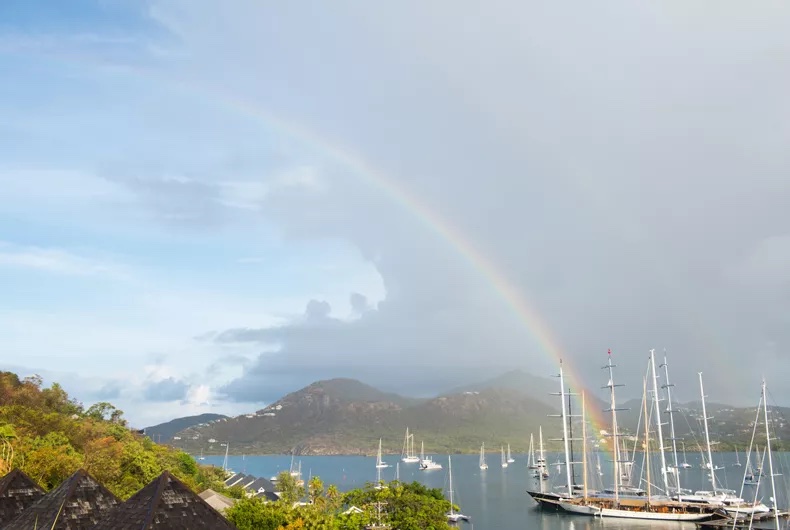
A rainbow in Antigua


(By Dan Moshenberg)

(Photo Credit 1: AfricaNews) (Photo Credit 2: LGBTQ Nation)

Journeys have a way of evoking unexpected things

Sibongile Mtungwa

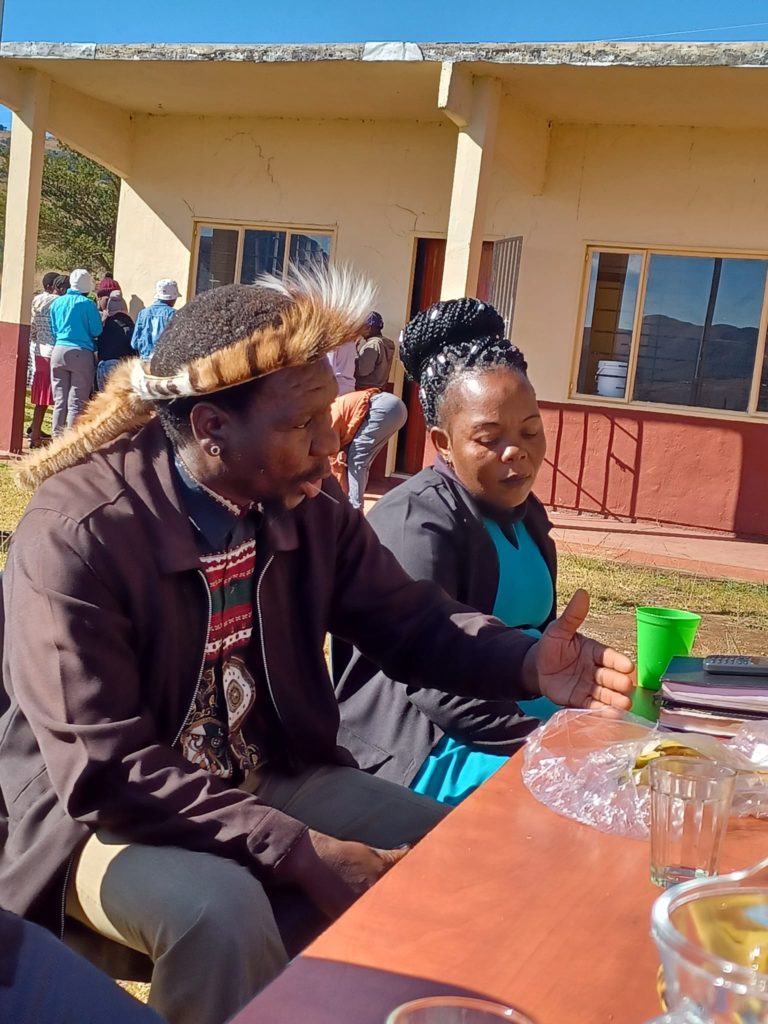
Journeys have a way of evoking unexpected things – emotions, memories, reflections, new and old doubts, questions and answers about possible pathways to the future. I’ve been meaning to write about this Mzantsi short left experience visiting one of KZN’s fiercest social justice leaders and community organisers, Sibongile Mtungwa. I’ve known about her work for a while, but for me, the “visit” did much to elucidate her intersectional feminist organising praxis. Her command of complex relationships and nuanced approach to disrupting power hierarchies in a largely traditional socio-cultural set up. Her nuanced feministing that comes so effortlessly that it may be easy to miss. Her everyday facilitation of a critical, if curious, intergenerational dialogue where culture, tradition and so called “modernity” collide into each other exploding into new spheres of imagination.

Her depth and breadth of knowledge on diverse issues and her ability to zone in on what it all means for women is beyond commendable.

As fascinating is her treatment of the politics of identity. In a world where one of neoliberalism’s colonising effects is its injection of a mortal fear in our imagination, that we are disappearing together with everything we once knew or were, identity often becomes the life boat we cling to, sometimes pathologically so, in navigating our way to survival. When it is not the life boat it becomes this perverted instrument for a neo-colonialism of a special type. Her “intersectional” feminist approach challenges and stretches mine, and that of many other feminists, with their tendency to be overly matter of fact and fail the task of recognising the bridges there are for traversing “cites of struggle”. That identities, including cultural identities, can be claimed and repurposed into resources from which to advance liberation, expanding our “decolonial” possibilities as opposed to new identity prisons that patriarchy and his friends prefer to fashion them as. The idea that the art of liberatory feministing, or what the “new” NGOism calls “Transformative Feminist Leadership”, is the ability to creatively and effectively hold contestation as dialogue between intersecting oppressions and possibilities for liberation. Imagine the possibilities for the restoration of “health” and wellness that such an approach can yield!

Leadership like this is only possible to be produced from communities that are rich in spirit, agency, self-knowledge and vision, even when everything exists around them to strangle that vision. And there are as many stranglers of vision in Harry Gwala District Municipality as leaders and vision are plentiful.

Sibongile has chosen for herself a spirituality that seems to ground her faith in, and commitment to the art of possibility. The work she does is a daily grind that can only be made light by that kind of grounded commitment. Those who have organised anywhere, and especially in rural South Africa know how isolated rural activists often are, and feel. Donors have many excuses for marginalising these organisation’s and the rural organising space. Oh it’s too far. The organisations are too small and local. The context is too complex. It’s not easy to reach. We’ve all heard the excuses. Donors don’t like journeying off the beaten path, it’s easier to fund mainstream social change with its mainstream actors and their glossy reports and simplistic narratives and roll-off the tongue (if often vapid) strategies. So despite years of experience, a proven track record and commanding vision, Sibongile’s organisation continues to shrink in capacity because if there are going to be casualties in this war of attrition in social justice it’s going to be those organisations at the cliff’s edge of the urban/rural divide. But she pushes on. Art of possibility. And from the plentiful fruits of her labour the future is birthing itself in the cracks that time has made on the shell of the old.

The girls whose leadership journey her work fosters are beautiful and hopeful and have found the song of their hearts. The old ones are puzzled and curious, if somewhat desperate to believe the past has not taken everything with it. They walk slowly towards the hills where the sounds of water beckon. The future has made its call to the past!

Sibongile is not a lone warrior because she knows that futures that are liveable for all are made possible through community effort. She is a representation of so many multi-generational feministars the world over who are as they say “flipping the script”!

Gazing into those hills, I couldn’t help but be reminded of mama Sizani Ngubane and how in some way her spirit lives in Sibongile and so many others working hard to ensure rural South Africa is not relegated to the country’s own forgotten wild west.

May those she walks with in this organising journey be strengthened by the knowledge their work is known beyond the hills, and it’s kind of philosophies has a name.

Among her many affiliations, Sibongile is a Tekano Fellow and member of the Atlantic fellows global community of leaders dedicated to the advancement of “fairer, healthier, more inclusive societies”.

Hers is an inspiring example of the transformative pedagogy of struggle the pursuit of equity and justice, from a health or any other angle, demands.

Sibongile has told snippets of her story whose contours as vast and deep as her home province. Check this snippet: https://tekano.org.za/tekano-fello/sibongile-mtungwa/

Niqine maqabane ase WLTP!

And as for especially so called “feminist” donors, say thank you, you’re welcome! Fundani nazi and fund the work of women like her. Find Sibongile and fund their visionary feminist work here!


(By Siphokazi Mthathi)

(Photo credit: Siphokazi Mthathi / Facebook)