In Honduras, Barbados and beyond, women direct the conjunctural moment of hope

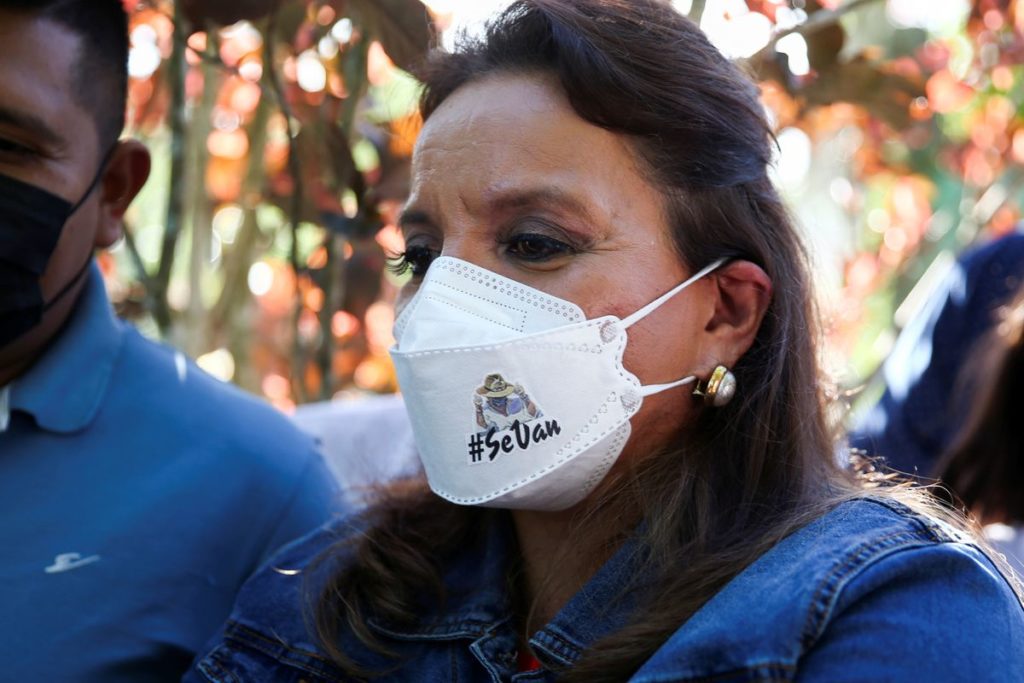
Xiomara Castro

On Sunday, November 28, 2021, Hondurans went to the polls and decided to move forward, rather than return to the past or remain in the corruption- and violence-soaked present. Hondurans voted, and in large number, for Xiomara Castro, the leftist Libre Party candidate. Castro’s victory was announced Monday, November 29, 2021. Meanwhile, at the stroke of midnight, November 29, 2021, the island country of Barbados will become the independent island republic of Barbados. This move from the last, and hopefully dying, whisp of colonialism to the full breath, and breadth, of autonomy and self-determination has been shepherded by Prime Minister Mia Mottley, of the Barbados Labour Party, and President Sandra Mason. At 12:01 am, November 30, Barbados becomes a fully independent republic. Since 1966, Barbados has celebrated November 30 as Independence Day, commemorating the day in which Barbados “was granted’ independence from the United Kingdom. This year, Barbados isn’t receiving independence, it’s seizing it.

Xiomara Castro is the first woman to be elected President of Honduras. Xiomara Castro is the first President to be democratically elected on a socialist platform. Castro has proposed a Constituent Assembly to rewrite the Constitution, a reinvigoration of international investigations of corruption, and a relaxation of some abortion restrictions. Castro has called for more independence for prosecutors. She has also called for reducing bank charges for remittances. Equally importantly, she has offered the country and the nation the prospect of unity across differences rather than the current State policies of intimidation, harassment, persecution, violence and death. Xiomara Castro has offered the vision and practice of participatory democracy, in which all sectors engage as mutual equal actors and in which no one, and no group, is excluded. On Sunday, Xiomara Castro explained, “For 12 years the people resisted, and those 12 years were not in vain. God takes time but doesn’t forget. Today the people have made justice.”

Barbadians have waited and prepared for full independence for decades, formally since 1966 but actually since the arrival of the British colonists who practically invented sugar plantation capitalism on the island of Barbados, which is to say first engaged in large scale enslavement of native populations in order to enrich `the Mother Country’, England. While discussions of removing the Queen from her position as head of state had long been simmering, 2020 saw a change: Black Lives Matter. In 2020, activists, organizers and just plain folk began demonstrating around the state of Lord Horatio Nelson, which stood in the heart of national heroes’ square. When earlier, activists had protested that Nelson was a leading proponent of the legitimacy and utility of slavery and the slave trade, the government turned the statue around, so as not to face the city. That was 1990. Thirty years later, the people said, “Enough! Thirty years is enough. Too much, in fact.” Last year, thanks to local Black Lives Matter activists, the statue came down. At its removal, Prime Minister Mia Mottley held up her phone, showed the crowds her screensaver, a picture of Bob Marley, and explained it was “to remind me always that the mission of our generation is the mental emancipation of our people”. That same day, Mia Mottley announced that in a year’s time, Barbados would remove the Queen as head of state and replace her with an elected President.

For Honduras and for Barbados, the road ahead is predictably different, but right now, on the island and the mainland, in these two `small countries’, the people have decided, and they decided to move forward, they decided to sing.

Won’t you help to sing

These songs of freedom?

‘Cause all I ever have

Redemption songs

Redemption songs

Redemption songs
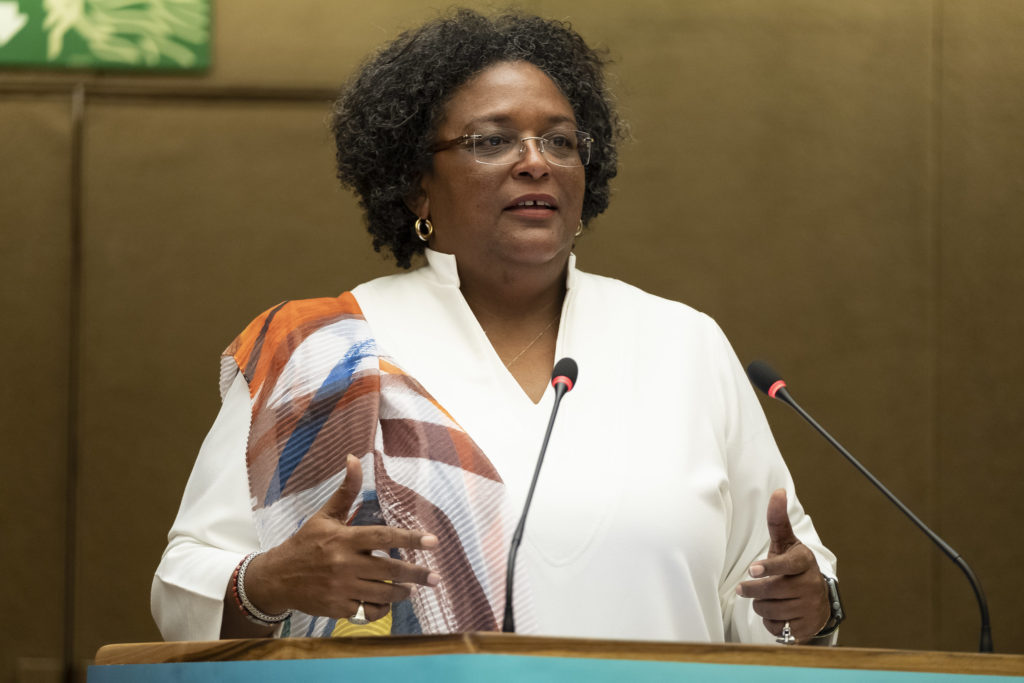
Mia Mottley


(By Dan Moshenberg)

(Photo Credit 1: Reuters / Jose Cabezas) (Photo Credit 2: Global Voices / Timothy Sullivan / UNCTAD)
 

While Rittenhouse walks free, Chrystul Kizer awaits justice

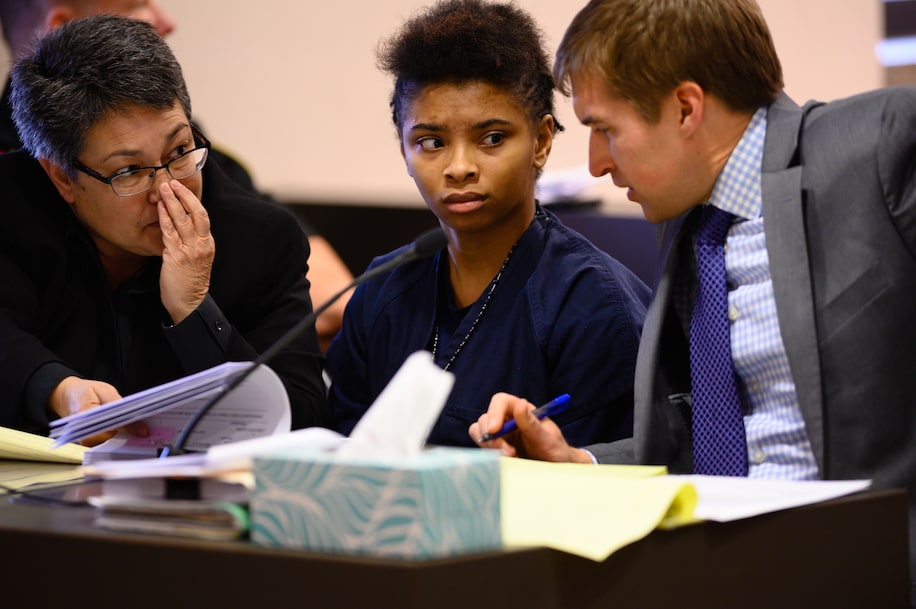
Chrystul Kizer

Kyle Rittenhouse was acquitted of all counts of murder Friday, after moving across state lines and shooting three victims, killing two: Gaige Grosskreutz, Joseph Rosenbaum, and Anthony Huber. His release raises questions about who the justice system is built for-when someone with an AR-15 purposefully shows his weapon, and shoots people with abandon is freed, while in Kenosha another 17-year-old is facing murder charges, for killing her sexual abuser. Rittenhouse is a white boy, Chrystul Kizer a black girl.

She is still facing first degree homicide charges in the city of Kenosha, which carries an automatic life sentence, for killing Randall Phillip Volar III, a man who had been sexually abusing her for two years, when Kizer was a homeless teenager. She is still awaiting justice.

Volar III, a white man, had had prior evidence of abuse of young girls, already known to Kenosha police. He was arrested in February of 2018, after drugging and attempting to harm another 15-year-old. Police arrested him and then released him without bail. He remained free for weeks, while investigators found multiple videos of child abuse. On the day that Kizer acted in self-defense, Volar had drugged her and attempted to rape her. She killed him to get away.

The Kenosha police still want her in prison for life.

Volar should not have been freed when investigations found hundreds of videos of child abuse, including the ones he had filmed of Chrystul. Under federal law, Chrystul’s case should have been reviewed with her as a victim of trafficking (she was seventeen), and while it would be unclear whether she is entitled to the use of affirmative defense, the parallels with how the justice system is treating her-a victim of child sex-trafficking at the hands of an abuser-and Rittenhouse-a white boy who had clear intentions of going to shoot someone when he crossed state lines-is telling.

Her case is also revealing of a-hopeful-shift in how we discuss victims of child rape victims, “How her case is decided could shape how future crimes involving victims of trafficking are litigated—particularly those in which child victims of trafficking have killed their alleged abusers. In the past decades, those teenagers were painted by prosecutors as ‘child prostitutes’ who were out to rob their clients.

“But in recent years, courts, governors and state legislators have been reexamining such cases with a new understanding of the unique trauma child trafficking victims endure. Most of those cases have involved children of color.”

Chrystul won an appeal this past June, and instead of dropping the case, the state has requested that the Wisconsin Supreme Court review her case. Her ruling could have important implications for those survivors of child sexual abuse-and trafficking-who have killed their abusers in self-defense. If she loses, she faces, at minimum, a sixty-year prison sentence.

Whether she is successful, though, it remains clear that the criminal justice system was not built to be Chrystul’s advocate and would rather imprison her for life. And would defend Rittenhouse’s freedom tooth and nail.

(By Nichole Smith)

(Photo Credit: Washington Post / Sarah L. Voisin)

A day in the life of `return to normal’: Women bear the brunt

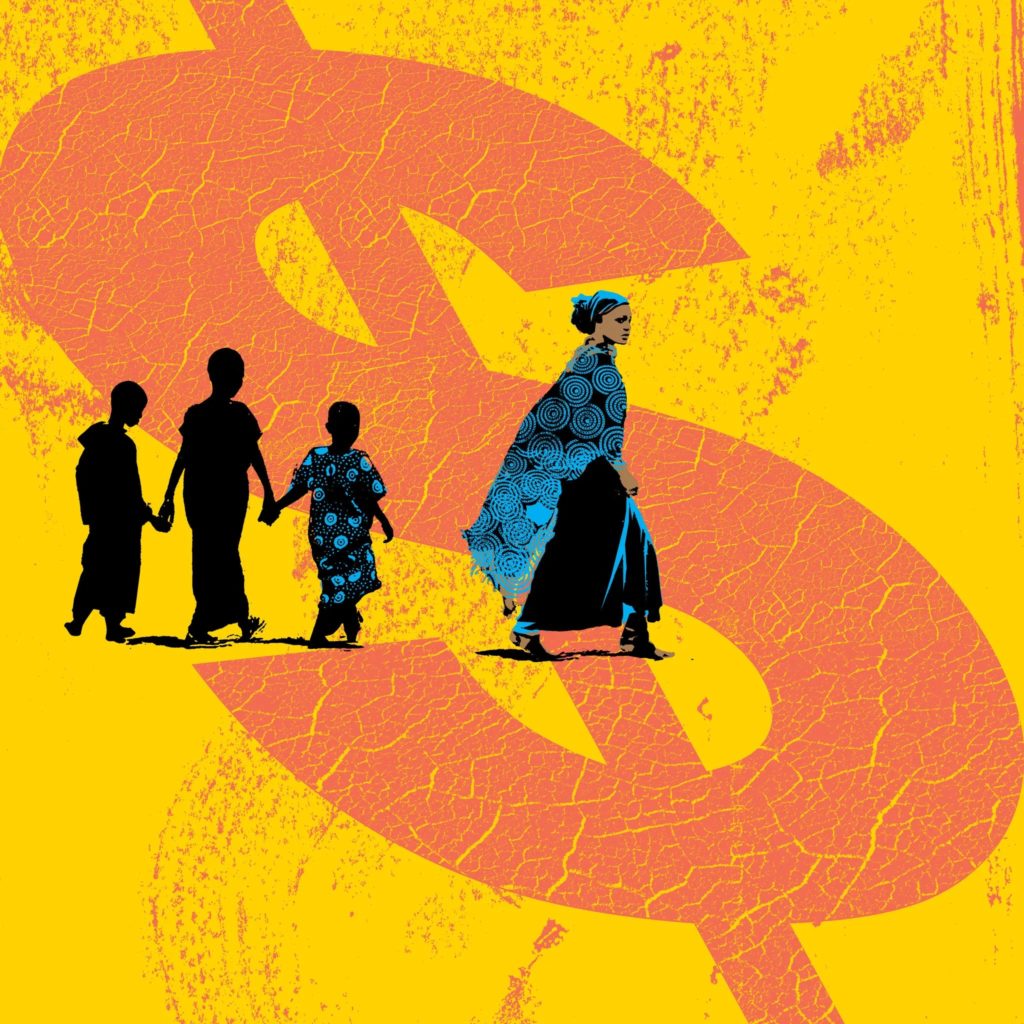
Bearing the brunt” is back. Ok, it never really left, but today’s iterations of bearing the brunt demonstrate that the `return to normal’ is here or at least just around the proverbial corner, and for many women that’s particularly bad news.

In South Korea, in the past two years, large Korean corporations sliced their workforce, ostensibly in response to the coronavirus pandemic, although how firing people improves their chances of surviving a pandemic remains an open question. Nevertheless, who bore the brunt of those cuts: “Women took the brunt of the job reductions as they accounted for 67 percent of those laid off.” It’s not all doom and gloom. Although many full-time employees lost … everything, others were hired as “non-regular workers”. That’s not `market forces’ at work. That’s old fashioned corporate greed.

In South Africa, and across southern Africa, food insecurity aka hunger has stalked the landscape, largely due to climate change induced droughts, land oligopolies, Covid, and more. Who suffers most directly? “Women and girls bear the brunt of undernutrition, international conference told”. How does this happen? In food crises, women and girls reduce their food intake. Additionally, in many households, men and boys get preference, including access to food. Women often find it more difficult to access food, sometimes due to insecurity in public places, other times due to restrictions on women’s movements in public. In these situations, women’s food consumption is stigmatized. This is what bearing the brunt looks like on an average day. This is what return to normal means.

Globally, to no one’s surprise and as reported from the outset of the pandemic and its political economy, women have been positioned to be most vulnerable to the conditions of both public health and economic, political, social devastation: “Women bore brunt of social and economic impacts of Covid: Women were particularly affected by loss of income and education, rises in domestic violence, child marriage and trafficking, and responsibility for caring for children and sick relatives.” In other words, the world pretty much stayed the same … only worse: “Many countries lack social protection for many groups, from women and children to migrants and refugees. Those groups have been worst affected by the Covid pandemic, and unless things change, they will continue to bear the brunt of crises, and be the least likely to recover from them.” Who bears the brunt? Women. Girls. Women and girl migrants. Women and girl refugees. Girls. Women. Welcome to normal.

Finally, in the United States, a report, released today, examined the situation of low-income renters in the United States during Covid. In particular, the study focused on households receiving federal assistance in the form of Temporary Aid for Needy Families, TANF, and the Supplemental Nutrition Assistance Program, SNAP: “Surprisingly, our research shows that low-income households already getting federal support may be more vulnerable to eviction than their counterparts who receive no social benefits … More households getting SNAP and TANF fell behind on rent, and those getting SNAP had a higher chance of being evicted.” Those getting SNAP had a higher chance of being evicted. Who are “those”? Women: women of color, women with disabilities, women elders, immigrant women. In 2018, 63% of nonelderly adult SNAP recipients were women. 61% of SNAP households with children were headed by a single adult. 91% of those adults were women. 33% of adult SNAP recipients was a woman of color. You know when women really bear the brunt? When their presence is ignored, avoided, forgotten, erased. Welcome back to normal. Same as it ever was.

(By Dan Moshenberg)

(Image Credit: Shonagh Rae / The New York Times)

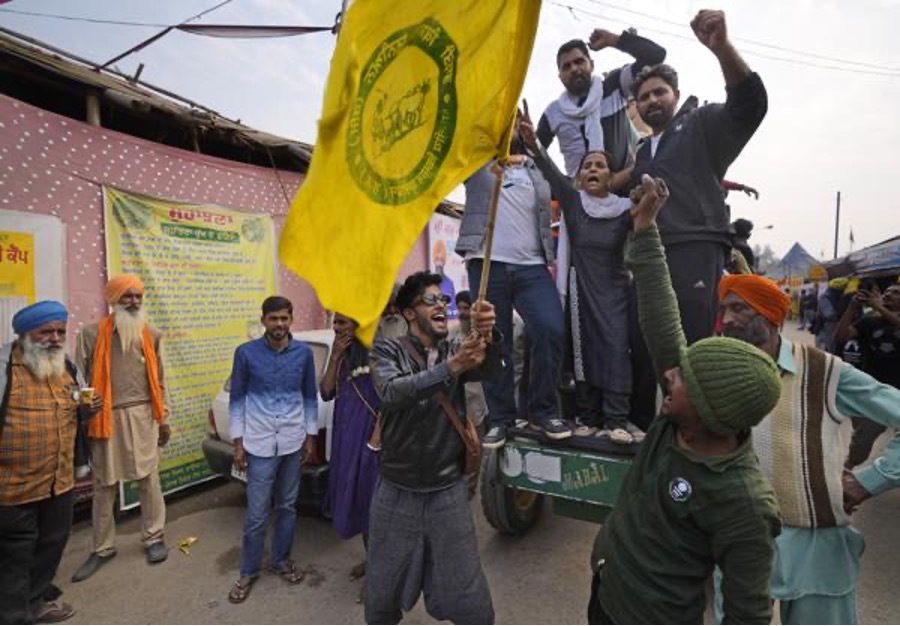
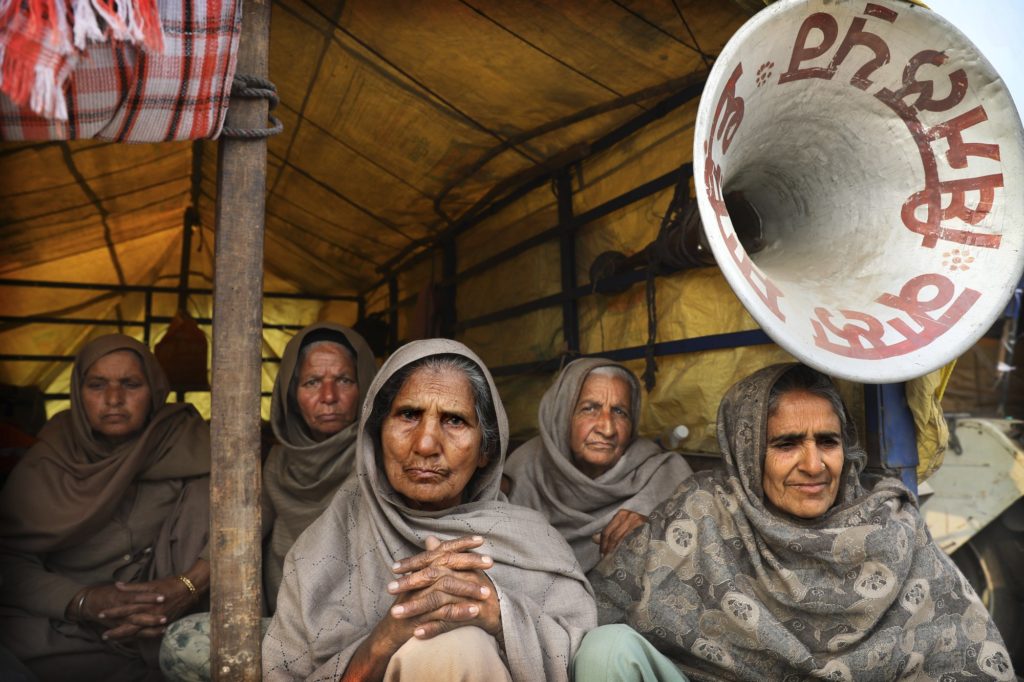
Farmers in India have been protesting for a year: Friday they won

After a year of protests by farmers in India, Prime Minister Narendra Modi has announced that he would repeal the infamous agricultural laws, which had sparked the protests last November.

Most of the farmers in the demonstrations hailed from the northern Punjab and Haryana states-two of the biggest agricultural producers in the country. The farmers raised major concerns that the law-which was signed September of 2021, introduced market reforms to the farming sector, a move that the smallholder farmers argued would favor large corporate farms, devastate the earnings of many of the poorer farmers, and leave those who, “hold small plots of land behind as big corporations win out.”

The fear is that the new legislation will leave the farmers poorer, at a time where Modi had attempted to reinvent India as a “hub for global corporations.” The bill is also not clear on whether the government will continue to guarantee prices for certain essential crops, which would leave small farmers open to large agrobusiness competition; farmers had already voiced concerns as the government attempted to liberalize the farming markets and move away from a system of farmers selling only to a government-sanctioned marketplace, which would have left them at the mercy of corporations without any legal obligation to pay them the guaranteed price. Clauses in the legislation almost guaranteed that the farmers were on their own-including one that would have prevented them from taking contract disputes to court, thus having no means of redress apart from bureaucrats.

The subsequent protest had been the biggest since Modi claimed power in 2014 and erupted at a time of economy and social insecurity, with laws that were deemed discriminatory and a botched COVID-19 response. Dozens of farmers have died during the process, one from the police during a demonstration in January when protestors stormed the Red Fort in the capital’s center, and others from either suicide, bad weather from the demonstrations, or COVID-19.

While Modi has promised a repeal of the law, farmers and their unions are not backing down. Samyukt Kisan Morcha, the group of farm unions organizing the protests, said, “It welcomed the government’s announcement but that the protests would continue until the government recommits to the system of guaranteed prices. The protesters had long rejected a government offer to suspend the laws for 18 months.”

The announcement came on the day of the Guru Purab festival, where Sikhs celebrate their founder Guru Nanak’s birthday. The laws have been particularly alienating to the Sikh community and come after Modi attempted to discredit the protesters as being motivated by religious nationalism. The move to repeal the law on Guru Purab, amidst an important election cycle, while most definitely Modi’s government attempting to do damage control, is nonetheless a decisive win for poor farmers whose annual income is 20,000 rupees or $271.


(By Nichole Smith)

(Photo Credit: Altaf Qadri / AP)

Thina lomhlaba siwugezile! We have cleansed this earth! Sing freedom!

I am missing the times when the unions gave us hope. When workers’ struggles against capitalist exploitation, our people’s struggle for liberation from colonial rule and the struggle for a true people’s education were the same struggle. When the union truly “made us strong”. When the union and the liberation organisation and the youth or women’s movement were the same organisation not because they had the same name but because they understood the struggle to be what today feminists call “intersectional”. Where the oppression of workers, black people, provision of gutter education, were seen as tools of the same exploitative trade – racial capitalism, colonial domination, and of course patriarchy. Ah the Patriarchy! May we never stop mourning the ways in which our virtuous struggles for liberation gave black women the shortest end of the stick and then stabbed them on the back with it. We must erect eternal monuments for this betrayal’s remembrance!

For all her life, my mother was a worker. When she no longer worked in the masters’ and madams’ kitchens, she worked on other “factory” sites. She loved this song (not necessarily this version). I first heard it sung by her when I visited her back in those days when we lived in Ciskei and she in South Africa. Yes, lollest LOL, under De Klerk’s party’s rule she and I (geographically separated by the distance of a handful of football fields) were “citizens” of different “nation states”. Lollest LOL!

She was her own kind of activist in the kitchens and masters’s bedrooms and the streets. In her own kind of way, she knew and practiced the fine art of resistance finely.

Later, she and I would laugh through tears about how we recycled (perverted in her language) this song for feminist struggle, changing it to say “Kudala sisebenzel’a madoda, kudala sisebenzel’ipatriarchy, bafazi mas’manyane, elilizwe lelethu!”.

I come from a family of workers (workers of the land, chicory and pineapple pickers, mine-workers, “kitchen” workers, garden workers, child workers, healing workers…).

For that reason, this song will always have a deep meaning in my life. In it the spirit of my mother lives. So does the story of my family and the belief in the power of a united people’s resistance!

At this time, may our ancestors of light give us the grace for the ghosts of our dark history to leave us peacefully, allow us to bury them in peace. And for this, may our souls one day find the kind of peace that will help us truly rejoice while singing “Thina lomhlaba siwugezile”! Of course, that’s if there will be any mhlaba left with all these planet-wrecking choices we make over and over.


(By Siphokazi Mthathi)

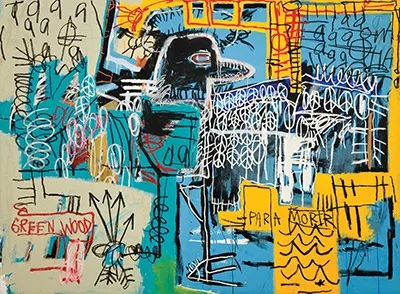
Britney Spears and the Limits of Money

I have been ignoring #FreeBritney because I’m not a Britney Spears fan and there isn’t anything about her life I relate to. However, I forced myself to listen to her testimony. It is clear from her speaking style that she is in an intense state of trigger and trauma and is being ritually abused and gaslighted. I understand these signs in the voice that has so much to say that words can’t keep up, repeating phrases and thoughts because it doesn’t seem anyone is listening, speaking rapidly from the anxiety that all caring attention is illusory or time-limited: the sense that the time permitted to speak could end in the next second; and the tremor and shakiness of her articulation because words can’t hold or express the endless marathon of misery she continues to endure.

To be sure, there are things I don’t relate to, references to maids and ‘getting nails done.’ However, it is possible that her mentions of these speak to how abuse disorders personality to confuse non-essential things with essential ones such as the right to be heard, to work reasonable hours, to have privacy and to not be treated like an animal for medical experimentation.

It needs to be said that it’s highly unlikely that this would happen to a White cis-masculine celebrity. Spears is the more predictable victim of such manipulations because she’s an exemplar of cis-femininity in all of its emotional plain spoken nervousness; and because she speaks like a femmes teenager in the sense of neither taking nor imposing any authority with her words or tones.

Were it exposed that a cis-man musician/performer/entertainer was forced to work 70 hours per week, threatened, force-drugged and actively broken down, I believe the musician community would have expressed much more outrage. The expose would have carried with it the indignation of workers’ rights and exploitation rather than been dismissed (or engaged) as privileged ‘fluff.’

Also relevant is that wealth is only one axis in the formula towards avoiding precarity. It is crucial not to forget that for the not White, not cis-masculine, not able-bodied, not neurotypical (etc.), wealth and ownership might be far less potent for reducing exposure to risk. Note that these conditions cannot be classified as rare (or “minority”) given the prevalence of death threats and realized hate in circulation.

Moreover what Spears’s case shows is that the power of money has limits for many subjects. For the one who is denied autonomy with their own money weaponized against them is, during that period, not only not a capitalist and not powerful but without basic rights, even if they are housed and fed. As cases like this become exposed, they undermine a central myth of capitalism: that money guarantees freedom. Clearly it doesn’t if the social world around the wealthy person turns against and dehumanizes them.

This poses the question: If money is at least inefficient if not ‘dysfunctional’ on its own ideological terms, if ownership – the most sanctified and guaranteed of all Western rights – is this easily violable, then what kinds of sacred social promises would need to emerge in order to stabilize freedom in its stead?

(By Dora Bleu)

(Image Credit: Jean-Michel-Basquiat.org)

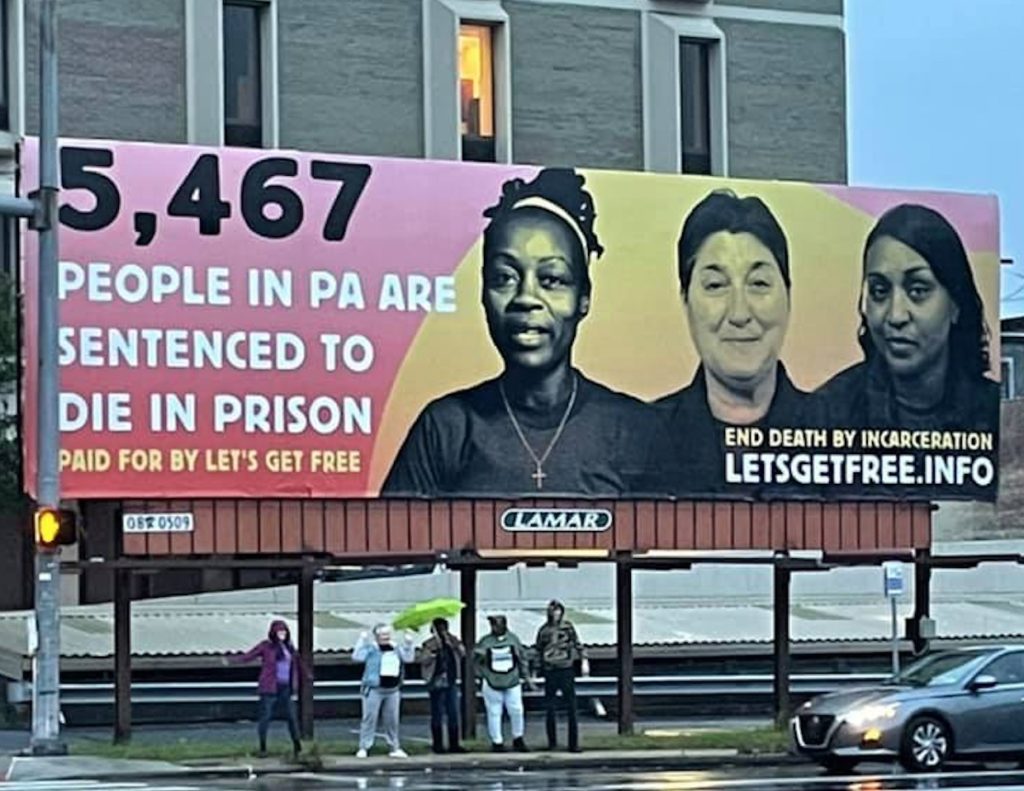
The Miserable Reality for Life Sentenced Women in Pennsylvania Seeking Commutation

The momentum for women in Pennsylvania to get commuted from their life without parole (LWOP) sentence has diminished.  Even with commuted lifer Naomi Blount hired to assist women filing their applications by Lieutenant Governor John Fetterman who heads the PA Board of Pardons (BOP) women are still being denied a merit review. This prevents them from getting a public hearing.  Life sentenced Sheena King and co-creator of The Women Lifers Resume Project of PA asks: “Why isn’t mercy extended more to women? Are we somehow less deserving than men?”

Without a doubt women serving LWOP in PA believe they are being further marginalized, revictimized by the judicial and political patriarchy resulting in their criminal behavior judged much harsher than men. They are seen as a greater threat to public safety and being totally irredeemable.  Even for a woman with a second-degree felony conviction 30, 40, 50 years ago the chances of her getting commutation is practically impossible.

  • Can a scent recalled nearly 30 years ago by someone who didn’t witness the murder be enough to deny a woman commutation? Yes!
  • Can a broken pane of glass that enabled a woman to walk away from an unsecured prison perimeter nearly 40 years ago be enough to deny a woman a public hearing? Yes!
  • Can a prison report by biased personnel deny a woman the support she may need to get a public hearing weigh enough to deny her this opportunity? Yes!
  • Are medically compliant women with a mental health diagnosis being denied a public hearing? Yes!
  • Are women who killed their infants during a postpartum episode nearly 40 years ago getting denied a public hearing? Yes!
  • Do women who are fragile octogenarians have a greater chance of commutation? No!

Before Fetterman arrived on the BOP grassroots advocates did statewide public campaigns to show their support for commutation. Since he came into office, advocacy has been less public: no more mailing in hundreds of postcards or printing t-shirts is required; social media has taken over. The rules have been tweaked to apply for commutation though it’s no less arduous. The various offices that represent victims have been put on notice to do your job-you got 90 days to find the victims to oppose commutation and you have to show your work.  So no more accusations by victims that have said we weren’t notified!

The BOP has been doing public hearings online since the pandemic began. As a result, I have noticed the absence of supporters giving testimony, lethargic testimony in support by staff at the prisons and rambling testimony by the victims with incorrect information. Even the BOP seems to be empowered by the lack of in-person testimony; more vocalization and pleading to members for a likeminded vote by other members. Since the BOP doesn’t meet as a body to discuss the merits of an applicant before voting Fetterman feels a last-ditch attempt to get to a public hearing by admitting that his yes vote comes from mercy! “Come on! This person is old and terminally ill!” To Fetterman this is consensus building. It never works. It’s just so pathetic and amateur to witness!

To raise the numbers of women getting commutation I feel can only occur if the BOP interviews each and everyone before the merit review. Like Sharon Wiggins once said, “How can I get commuted by writing a few paragraphs?” Commutation is the only way the state can release a life sentenced women unless she beats her conviction or her sentence is found to be unconstitutional and lastly, through medical parole where a doctor predicts her death within a year and is non-ambulatory.

(Ellen Melchiondo writes in the capacity as a co-founder of The Women Lifers Resume Project of PA.

Photo by CADBI-West depicts Tameka Flowers, Charmaine Pfender and Sarita Miller. Billboard image comes from stills in videos produced by Let’s Get Free and Women Lifers Resume Project: “You Deserve Better Than Prison” and “We Are More Than Our Worst Day” Videos can be viewed at www.wlrpp.org

Thanks to etta, Darlene and Elaine for their editing of this essay!)

The Elections Are Proving One Thing: Democrats Need to do Better – It’s Unlikely They Will

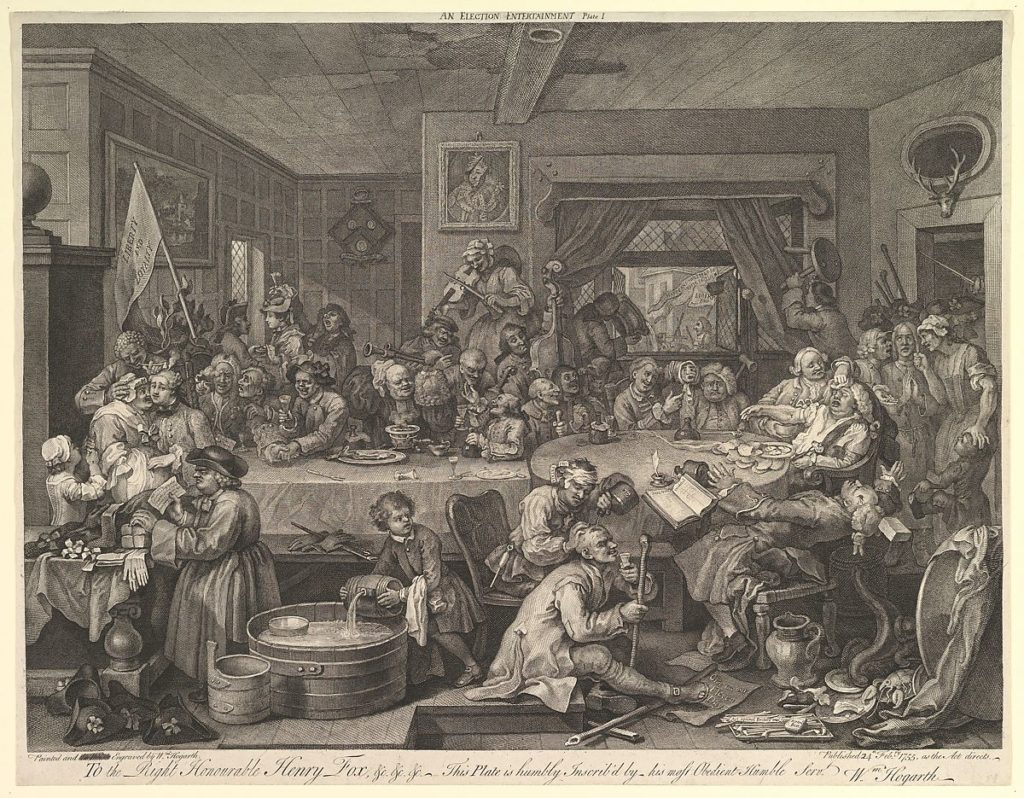
An Election Entertainment

Tuesday’s election should come as a warning sign for Democrats attempting to maintain power over the federal government. A full year of broken promises that have led to no positive changes in the lives of poorer Americans, and further disillusioning their left-leaning base. While Joe Manchin and other news pundits would blame those progressives for the losses, it is instead the fault of a Democratic Agenda that has been derailed by moderate and conservative Democrats funded by corporate donors that have stalled legislation that would have helped everyday people-it is a party with no sound policy base and victory that consistently cries Trump whenever a Republican attempts to seize power.

Now, it is true that Trump is a dangerous person-the riots and the calls to violence and a fascist overthrow of an entire country would obviously prove that-Democrats cannot blame Trump and Republicans for not being able to enact a progressive(ish) agenda that they campaigned on-that they went from state-to-state promising action on.

Elect Biden and receive $2000 immediately? A promise broken by semantics.

Cancel some student loan debt? No, create an extra repayment tier and use the return of the payments to bolster the idea that the economy is doing better. Even the $10,000 cancellation looks less likely from the Biden Administration.

Enact the John Lewis Voting Rights Act? Stalled twice in the Senate because of a filibuster that can be abolished, but unable to without the help of Joe Manchin and Krysten Sinema. So, voting rights is tabled.

An infrastructure bill that promises to deliver on paid parental leave, expanding Medicare to include dental and vision, while also working to lower drug costs? Stalled because of its price tag, with no such hesitation on spending when the military and the Pentagon need more money.

Police reform? No.

Comprehensive marijuana legalization reform? No.

A pathway to citizens for Dreamers and undocumented peoples in this country? Another broken promise.

A $15 minimum wage? Ironically voted down by the same senator whose hometown voted to raise their minimum wage.

These lists should not be allowed to continue. They represent every broken promise to people that were energized to vote for Biden and end the possibility of another four years of Trump, and violence from him and the Republican party. But complacency and campaigning on “at least we’re not Trump” will not help when you’re doing nothing to better the lives of the people that voted for you. Tuesday’s elections have proven it.

Terry McAuliffe was soundly defeated by Glenn Youngkin in Virginia, with the state’s House of Delegates moving to the full control of the Republicans. A campaign that was promoted by Biden, Obama, Harris, and every powerful democrat in the country. Lost spectacularly even though polls gave them a tie days before.

In New Jersey, Governor Phil Murphy narrowly eked out a win from Jack Ciattarelli, in a election that should not have been as close as it was-a Monmouth University poll had Murphy leading Ciatterelli by 10 points prior to election day. Even more powerful members of the state legislature lost their seats. Long-time Senate President Stephen Sweeney lost his seat to a Republican truck driver that spent a measly $153 on his campaign. A powerful state senator, which had amassed massive resources being a Norcross Democrat, lost so spectacularly to a Republican that is known for having racist messages on his Facebook page. He will now be a member of the state government, in the most diverse state in the country.

And while we should blame ignorant voters, the blame needs to also be placed at the hands of the Democrats, who for an entire year have down nothing with an agenda that is widely popular with both Republicans and Democrats; that have broken every single promise (or at least half-assed it) and spent more time campaigning on well, at least aren’t those other guys, right? Because that will not end will for Democrats in 2022, and then in 2024. And it will be the poor, and the oppressed, that must handle the fallout.

(By Nichole Smith)

(Image Credit: William Hogarth / Metropolitan Museum of Art)

Refugee Families Adjust to the U.S. After Fleeing Afghanistan

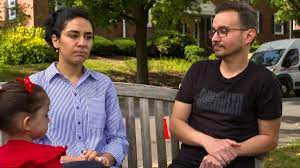
Soora and Abed Jawad

The Taliban seizing control of Afghanistan back in late August has caused thousands of Afghan families to leave everything they have ever known to flee the country due to concerns with their safety and wellbeing. These families did not have many choices; their options were to stay and live-in fear or escape to a new country. Although the latter appears to be the better option of the two, having to evacuate to a brand-new country to escape danger and violence can also be intimidating- especially when the new country is overseas, speaks a different language, and has different cultural values, norms and expectations. These factors make fleeing a country strongly affect families and their structures and dynamics, which has been the case for many of these Afghan families.

Due to most of Afghanistan’s neighboring countries – Uzbekistan, Pakistan, and Iran – closing their borders, over 100,000 Afghans were airlifted out of the country by the United States and their partners. About 65,000 of these refugees are being placed in the United States, though it is not clear how many families this number consists of. With Afghanistan sitting in the northern and eastern hemispheres of the world, it will take adjusting for these individuals and families to become situated with the culture and environment that stems from the United States being in the western hemisphere. In fact, Soora Jawad of the Jawad family interviewed by CNNeven went to express her surprise at all the greenery here in the U.S., something many U.S. citizens do not tend to think much of.

When discussing fleeing their native country, the Jawads say it feels like they are starting over. The family of three had very little money after arriving in the U.S., but Soora says this is what they had to do for the sake of their young daughter, after facing immense amounts of stress and being unable to eat due to worrying about their child.

The Jawads are now living in Virginia- one of the states welcoming the most amount of refugees, at about 1,166. The family found housing through one of the nine resettlement agencies supported by the Afghan Placement and Assistance program to provide resources for the Afghan families in need as they settle into the U.S. They were given comfort items by a refugee support group, including toys for their daughter and beds to sleep in- an upgrade from sleeping on the floor like they had to do when they first arrived.

However, the Jawads are now left jobless and must start paying their rent on their own after two months. Back in Afghanistan, Soora was nearly complete with her residency to become a heart surgeon and her husband Abid worked as an accountant- both high-paying jobs that promised financial stability that the family now does not have. They may be smiling in the interview but searching for jobs can impose great deals of stress and even strain on refugee families like the Jawads, as if leaving home with little to no clothes and toiletries and other belongings wasn’t enough.

The Jawads are just one family that fled from Afghanistan. Reality is, there’s plenty more, and not all have some of the advantages the Jawads have- most likely, not all are as highly educated as Soora and Abid are and many do not speak English like this family does, as well. And in this case, the entire family got to flee together, and it is reasonable to believe that this may have not been the case for all refugees. Lack of education, language barriers, and the splitting of families can all impact Afghan refugees and their families and the Shinwaris are an example of one that have been affected.

The Shinwari family is another Afghan family that recently fled their homeland due to the country’s current circumstance. Although this family has also been given resources upon arrival, the Shinwaris face many obstacles that the Jawads did not. Despite now living in a safer situation, the family is left with many concerns, including that they do not speak English, they cannot drive, and they do not have the education for work. Father Mohammed is having issues with his leg after being hit by bullets back in Afghanistan and Mother Madina also gave birth to a baby girl in the air while fleeing, as well.

On the other hand, families like the Mahrammis can be a symbol of hope for a better life for the Afghan families entering the U.S. in recent months. The Mahrammis arrived in the U.S. from Afghanistan back in 2017 and were met with large expenses, such as hospital bills and the need for a car for employment. They had to grow accustomed to the cultural differences between the two countries- in fact, the differences are so significant that father Hossein proposes an idea for a class about American culture to be offered to refugees. The concept of small talk with strangers – something we all do in our daily lives here in the U.S. – was brand new to this family and many other Afghan refugees.

Hossein describes knowing his children are receiving a great education and not fearing for his wife’s safety when she is outside alone as a great feeling. He appears very optimistic about the family’s future, as well. The Mahrammis now having educational, financial, and other opportunities here that they did not have in Afghanistan can improve their family structure and dynamic, and stories like this one can potentially, in a way, comfort the Afghan families who have not yet gotten on their feet here in the U.S, knowing the good that could possibly be in store for them.

With Afghans still fleeing the country and more than half a million expected to flee Afghanistan by the end of this year, there is no doubt that these families will continue to be greatly impacted in the U.S. and wherever else they may have to flee to because of their need to do so.


(By Raven Albert)

(Photo Credit: CNN)

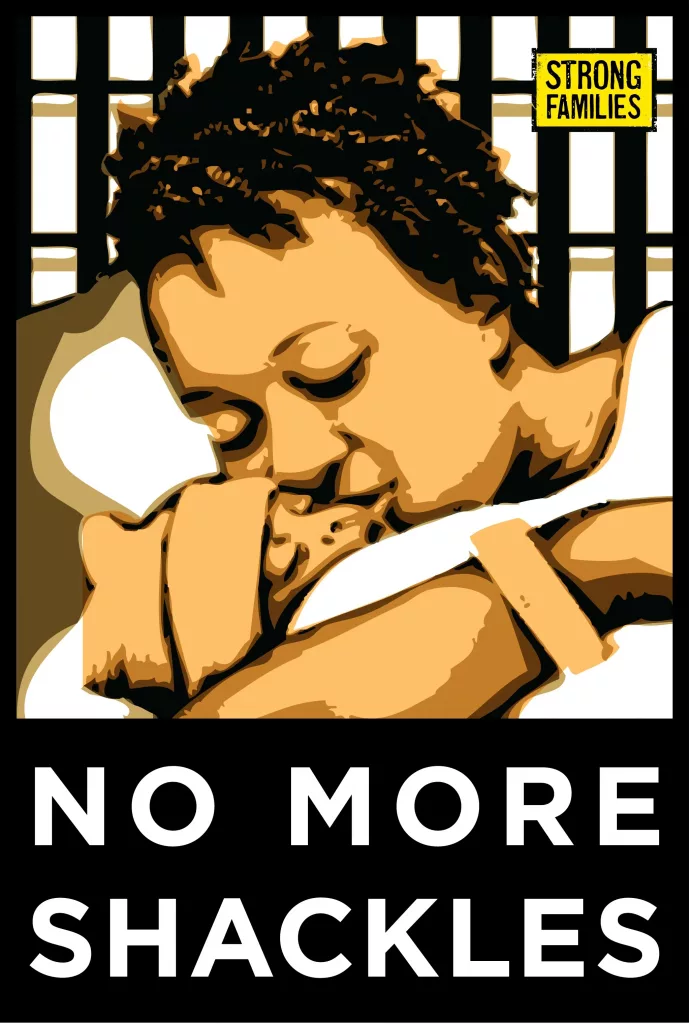
What will it take to stop shackling women in childbirth?

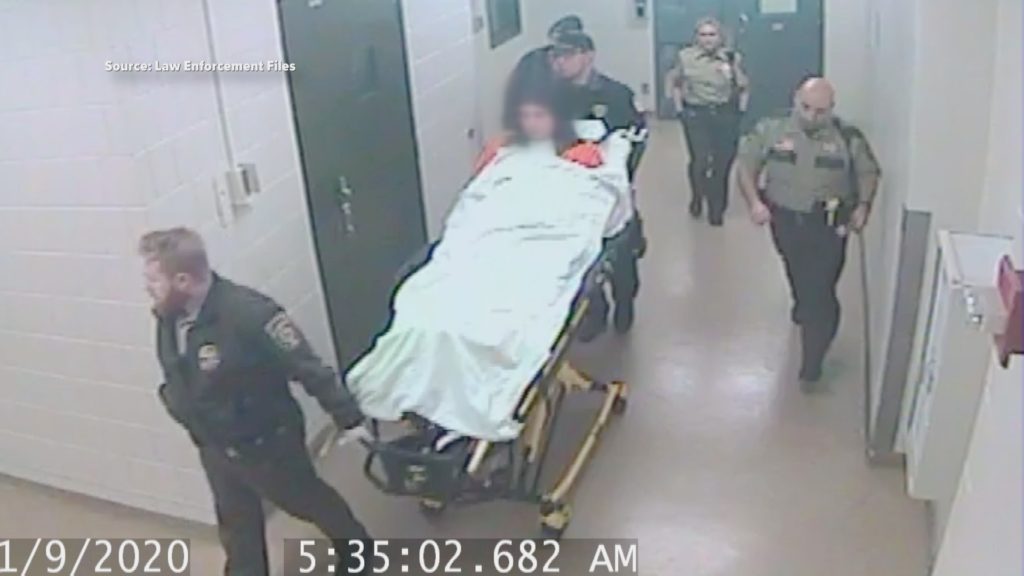
On January 7, 2020, police in Dayton, Minnesota, in Hennepin County, broke into a home thinking a resident was involved in the purchase of a stolen snowblower. He wasn’t, but no matter. The police broke in. The house was occupied by a couple, both 26 years old, who were expecting the birth of their first child, in two weeks. The man was taken to jail and booked on charges that, after a year and a half, were dropped. The woman was taken, in handcuffs, and dumped in the Hennepin County Jail. There, staff ignored her pleas for help. When she described her excruciating back pains, she was told it was stress. When her waters broke, she had to prove she wasn’t lying, and then she was finally taken to the hospital, a few blocks away. Throughout the transport and most of the delivery, the woman was shackled. She is suing the local police and jail and others for violation of her Constitutional rights as well as denial of medical care. The jail says they take this all very seriously. Of course, they do. You can read the details of the story here. The thing is that, in 2015, Minnesota passed anti-shackling and pregnancy needs laws.

In 2015, Minnesota passed “An act relating to public safety; addressing the needs of incarcerated women related to pregnancy and childbirth”, which opens: “A representative of a correctional facility may not restrain a woman known to be pregnant unless the representative makes an individualized determination that restraints are reasonably necessary for the legitimate safety and security needs of the woman, correctional staff, or public. If restraints are determined to be necessary, the restraints must be the least restrictive available and the most reasonable under the circumstances. A representative of a correctional facility may not restrain a woman known to be pregnant while the woman is being transported if the restraint is through the use of waist chains or other devices that cross or otherwise touch the woman’s abdomen or handcuffs or other devices that cross or otherwise touch the woman’s wrists when affixed behind the woman’s back.” This act was passed unanimously.

At no time did anyone say that the woman in question was a threat or danger or a risk of flight. In fact, she was described by jail records as “cooperative with staff throughout the entire process.”

After a long and arduous labor, the woman gave birth to a healthy child … in a toxic environment. The father remained in jail for days; the traumatized mother went into depression. A month later, U.S. Customs and Immigration rejected her green card application, claiming she had been charged with assault. She had never been charged with assault … or anything else. She was cooperative with staff throughout the entire process.

The woman appealed the rejection and won the appeal.

The thing is that, in 2015 Minnesota passed anti-shackling and pregnancy needs law. In July 2021, the Minnesota legislature debated ending the shackling of juveniles in court. In August, the Minnesota Supreme Court issued a ruling that barred the use of handcuffs, shackles, and other restraints on juveniles in court. In 32 states and the District of Columbia, legislatures or courts decided to “prohibit the use of unnecessary restraints” on juveniles in court. The District of Columbia and 31 states prohibit or limit shackling pregnant women. What do these laws and court rulings mean when staff ignore them? What do they mean to those giving birth, their families and communities? As well, what do they tell us about the rule of law? Why do we have a greater investment in shackles and handcuffs than we do in law and justice? What will it take to break the chains, once and for all? It should not be this difficult to stop shackling women in childbirth. I should not be this difficult to stop shackling pregnant women. She was cooperative with the staff throughout the entire process.


(By Dan Moshenberg)

(Image Credit: Radical Doula) (Photo Credit: Kare 11)